For years, friends in Tucson have urged me to visit the Chiricahua Mountains and the Chiricahua National Monument, located about 125 miles southeast of Tucson. After a recent two-day visit, I asked myself why I waited so long.
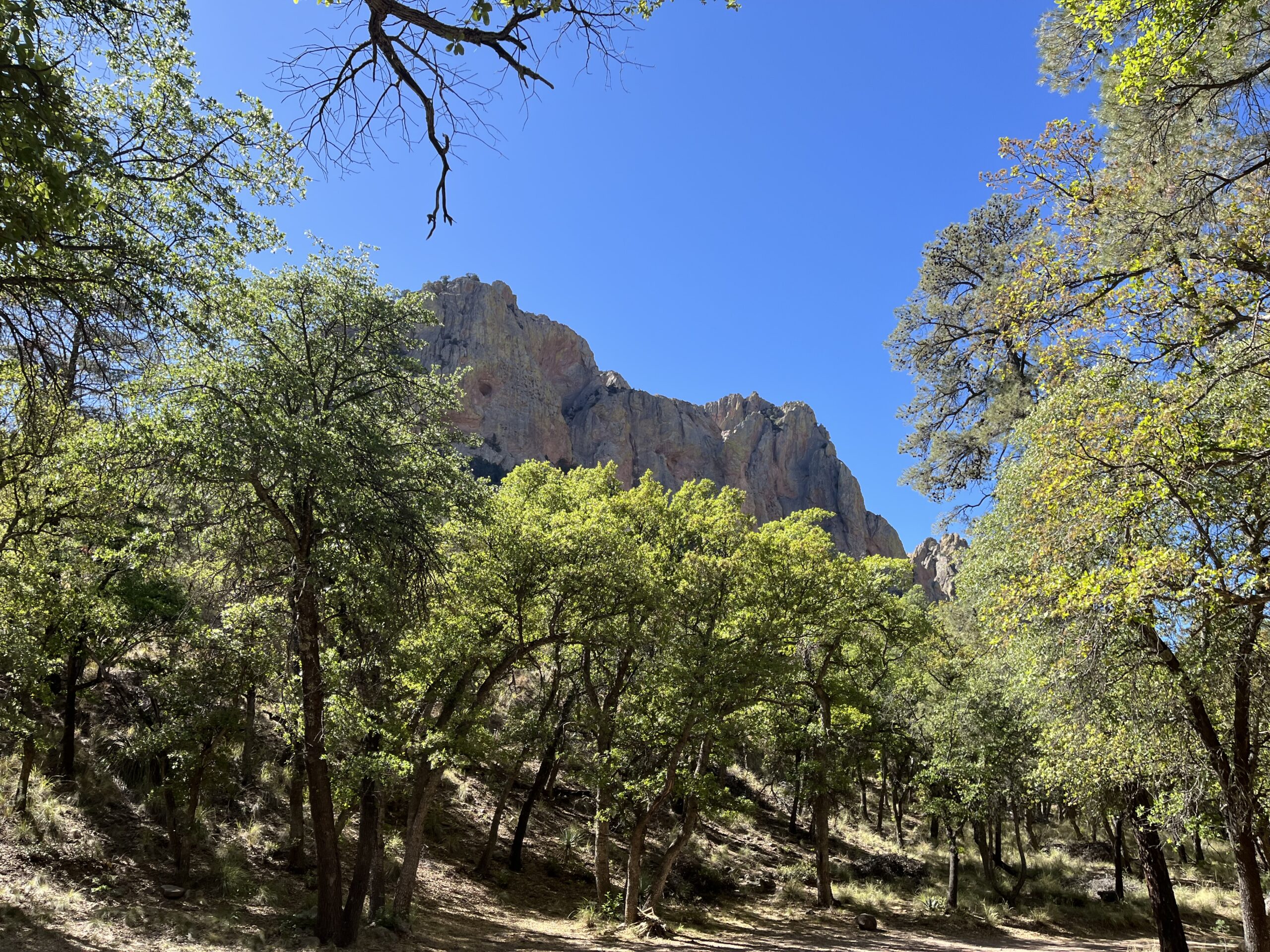
The Chiricahua Apaches called the mountains’ massive rock pinnacles “standing up rocks.”
Their origins began 27 million years ago with the eruption of the Turkey Creek Volcano.
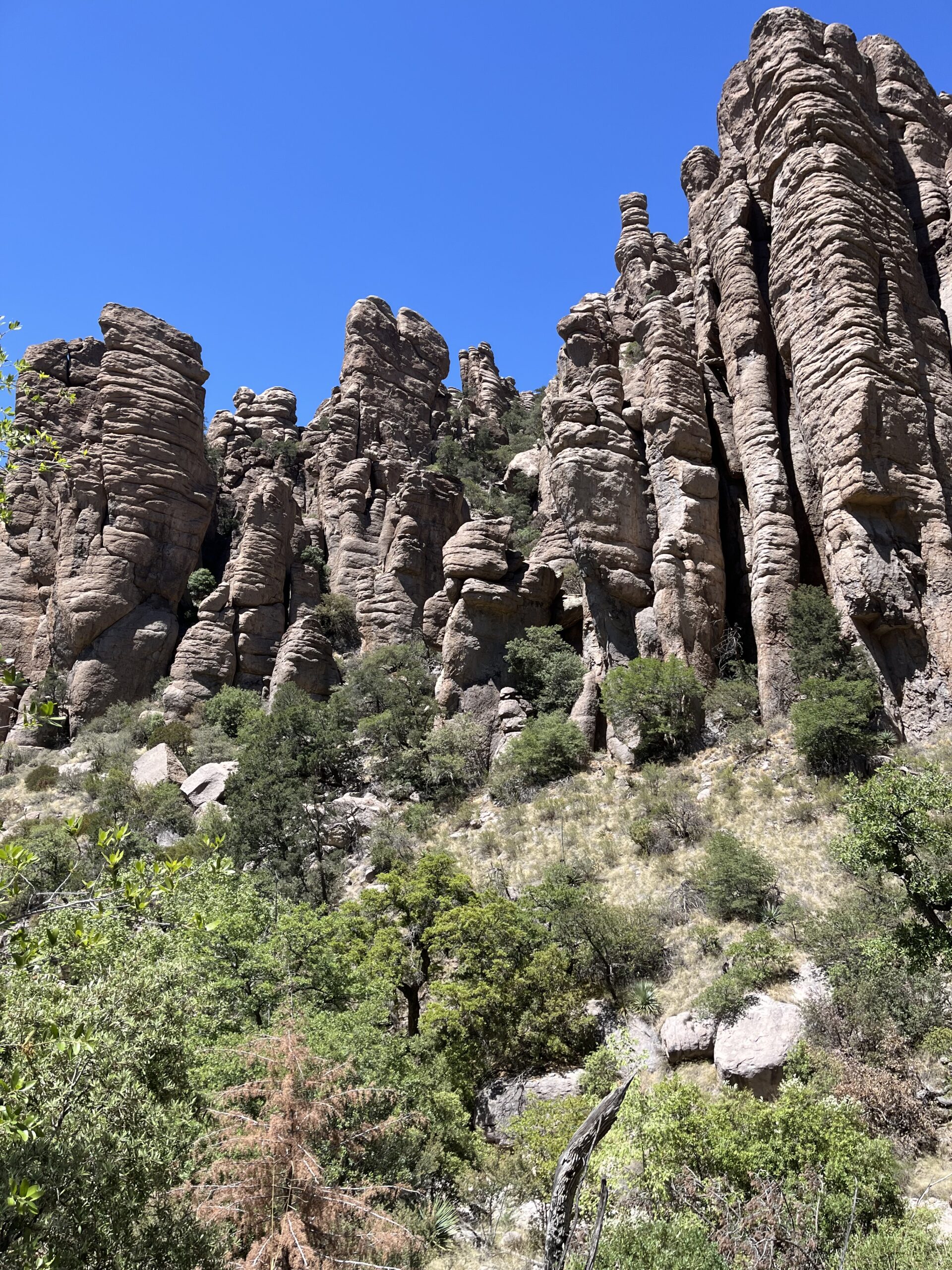
Established in 1924, the Chiricahua National Monument preserves and protects the pinnacles. We can thank the Depression-era Civilian Conservation Corps for improving the road and building an extensive network of trails that wind through the massive rock towers. An eight-mile scenic drive starts at the historic stone visitor’s center at about 5,400 feet and climbs to nearly 7,000 feet to Massai Point. There’s a trail suited for everyone from the most challenging all-day treks to wheelchair-accessible nature trails at the Bonita Creek Campground and at Massai Point at the top of the mountain.
The Chiricahuas are the largest mountain range in Arizona, measuring 40 by 20 miles. Because there is no paved road through the mountains, reaching Cave Creek Canyon, the famous birding mecca on the eastern slope, requires a lot of driving. So we decided to drive nearly 100 miles to Lordsburg, New Mexico, where we spent the night.
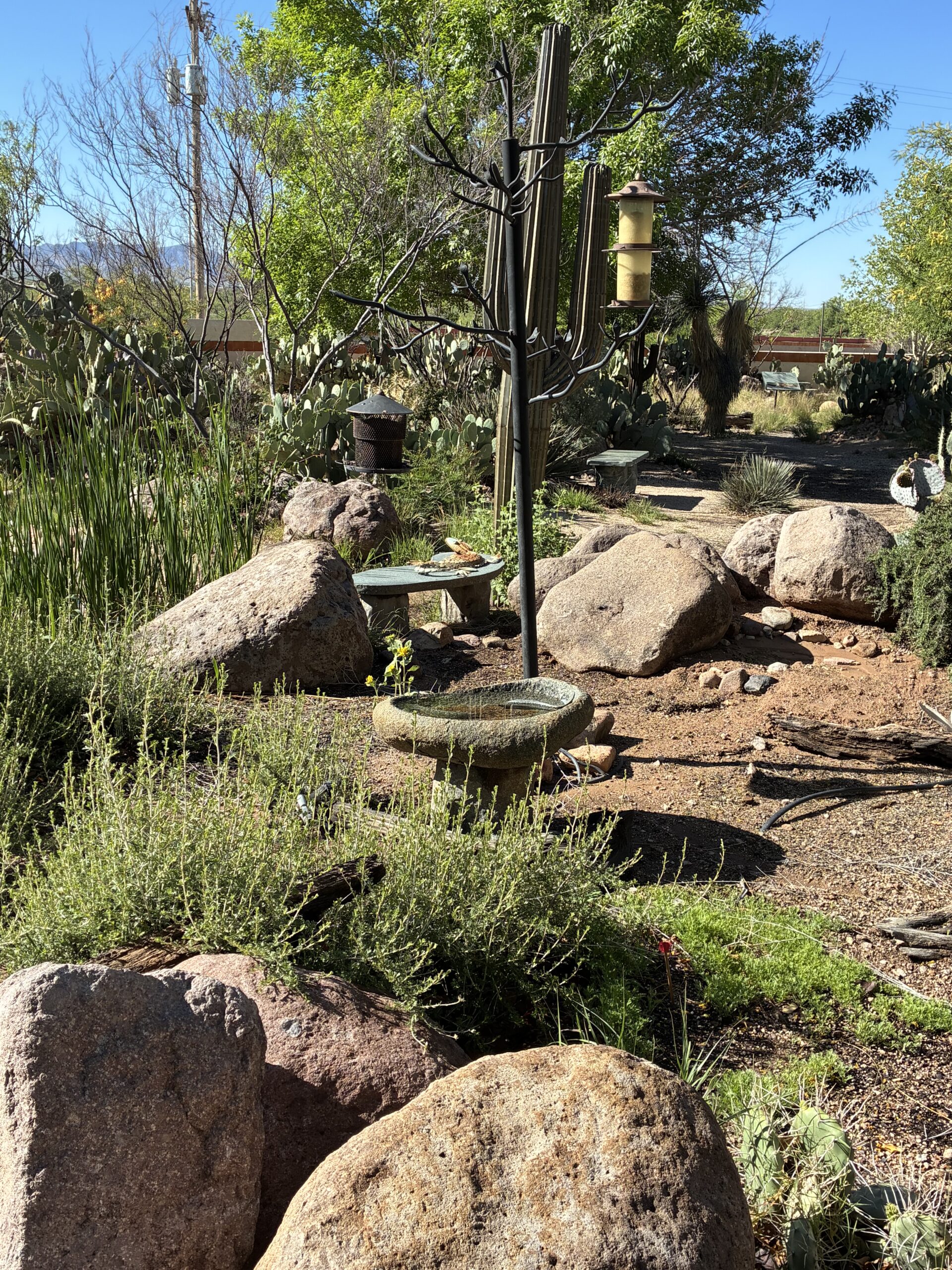
The drive down to Rodeo, New Mexico on historic U.S. Highway 80 straddles the New Mexico-Arizona state line. In about 45 minutes we arrived at the tiny hamlet of Rodeo where we discovered the outstanding Chiricahua Desert Museum, which displays dozens of wildlife species, an art gallery, and a fine gift shop. We especially appreciated the wildlife and botanical garden which is open to everyone for a leisurely stroll and some quiet time among the desert’s wild inhabitants.
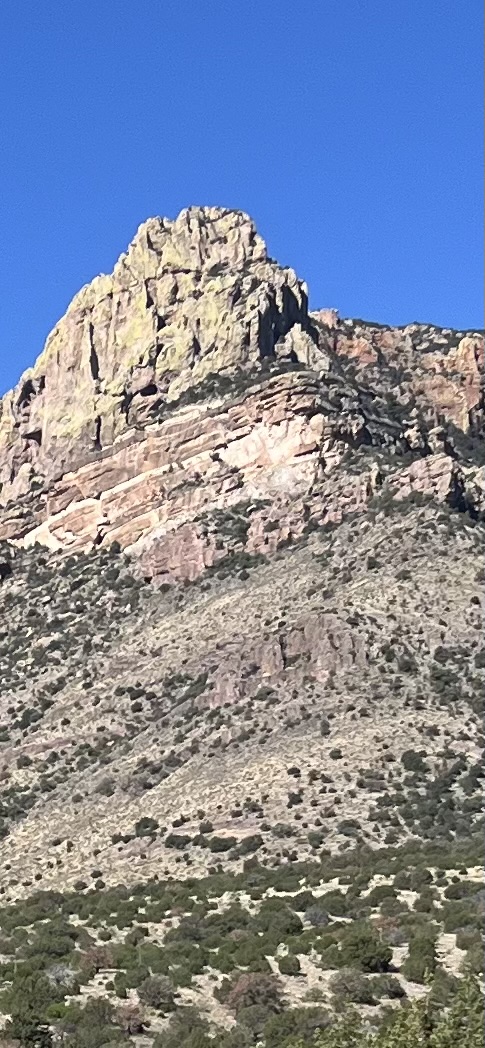
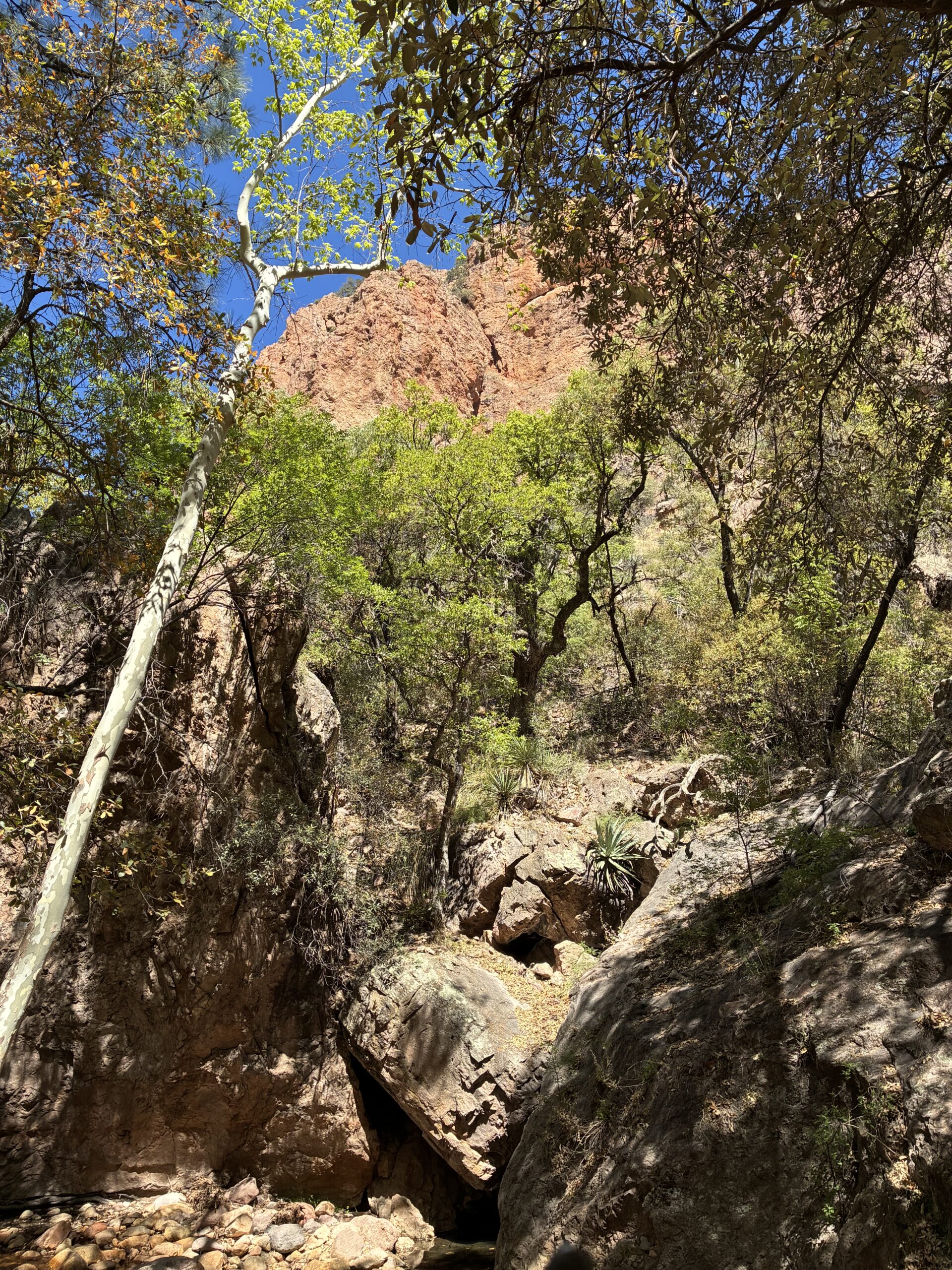
Now it was time to take the short drive back into Arizona and the community of Portal, the bird capital of the Southwest. Unlike the approach to the Chiricahua Mountains from the west side, the eastern front range is shockingly beautiful and majestic. Once the homeland of the Apache Chief Cochise and his Chokonen band, Cave Creek Canyon is the centerpiece for hiking, birding and camping on the east side of the Chiricahuas.
Cave Creek Canyon, named for massive caves that line the canyon walls, is one of North America’s top birding destinations, boasting the highest density of nesting raptors on the continent. The star of the show is the Elegant Trogon, a magnificent bird whose northern range ends in Cave Creek Canyon. One of the highlights of the trip was catching a glimpse of this rare bird along Cave Creek. This creek flows through a riparian habitat characterized by sycamores and cottonwoods, which is home to about 370 bird species, 170 butterfly species, and hundreds of plant species.
Whether you visit the east side, west side, or both—which I recommend—the Chiricahuas will give you a ton of unforgettable memories!
BB Travel Tips
We stayed overnight in Lordsburg at the Comfort Inn Suites which was very clean and comfortable.
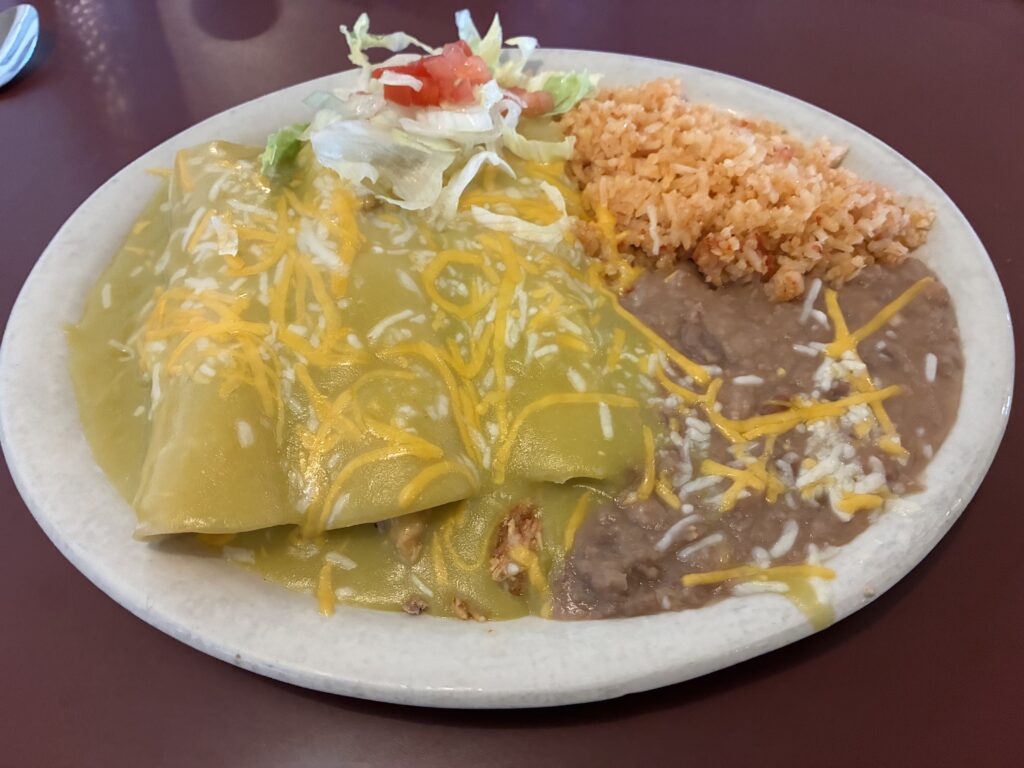
Ramona’s Restaurant, a family-friendly spot in Lordsburg is one of our favorite Mexican food spots in New Mexico. The green chile smothered chicken enchiladas were the best! Save room for dessert and the homemade fruit cobblers.
Birds in Cave Creek Canyon are most active in the early morning and late afternoon. Plan accordingly and you may see some rare bird visitors.
Portal Store, Cafe and Lodge have outstanding food and rustic yet comfortable cabins. www.PortalLodge.com.
We were glad we decided to take the scenic route back to Tucson along US Highway 80 from Rodeo, New Mexico to Douglas, AZ and up to Bisbee, Tombstone and Benson.