
Every year, millions of travelers from all over the world descend on the world-famous Las Vegas Strip. Most rarely venture far from their Strip hotel. That’s a shame because beyond the glitter and glitz lies another world filled with some of the finest high desert and mountain scenery in the West.
Las Vegas sits in the Mojave Desert, the driest and hottest in North America. It’s often dismissed as a barren wasteland. Nothing could be further from the truth.
It hosts diverse microhabitats due to varied altitudes, water presence and soil composition. These microhabitats support unique plant and animal species, contributing to the biodiversity seen at the Red Rock National Conservation Area less than an hour west of Las Vegas in the Spring Mountains—a textbook example of what’s called a Sky Island.
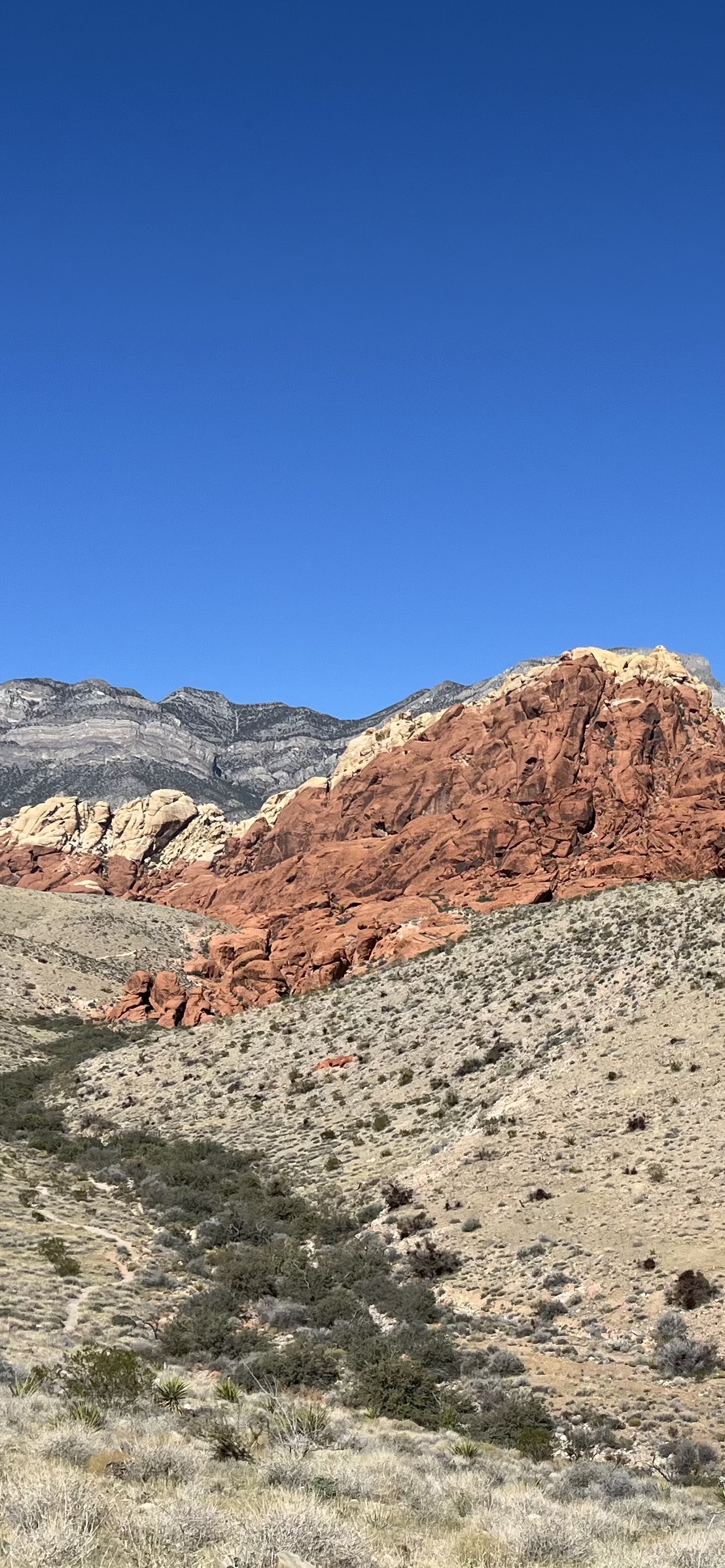
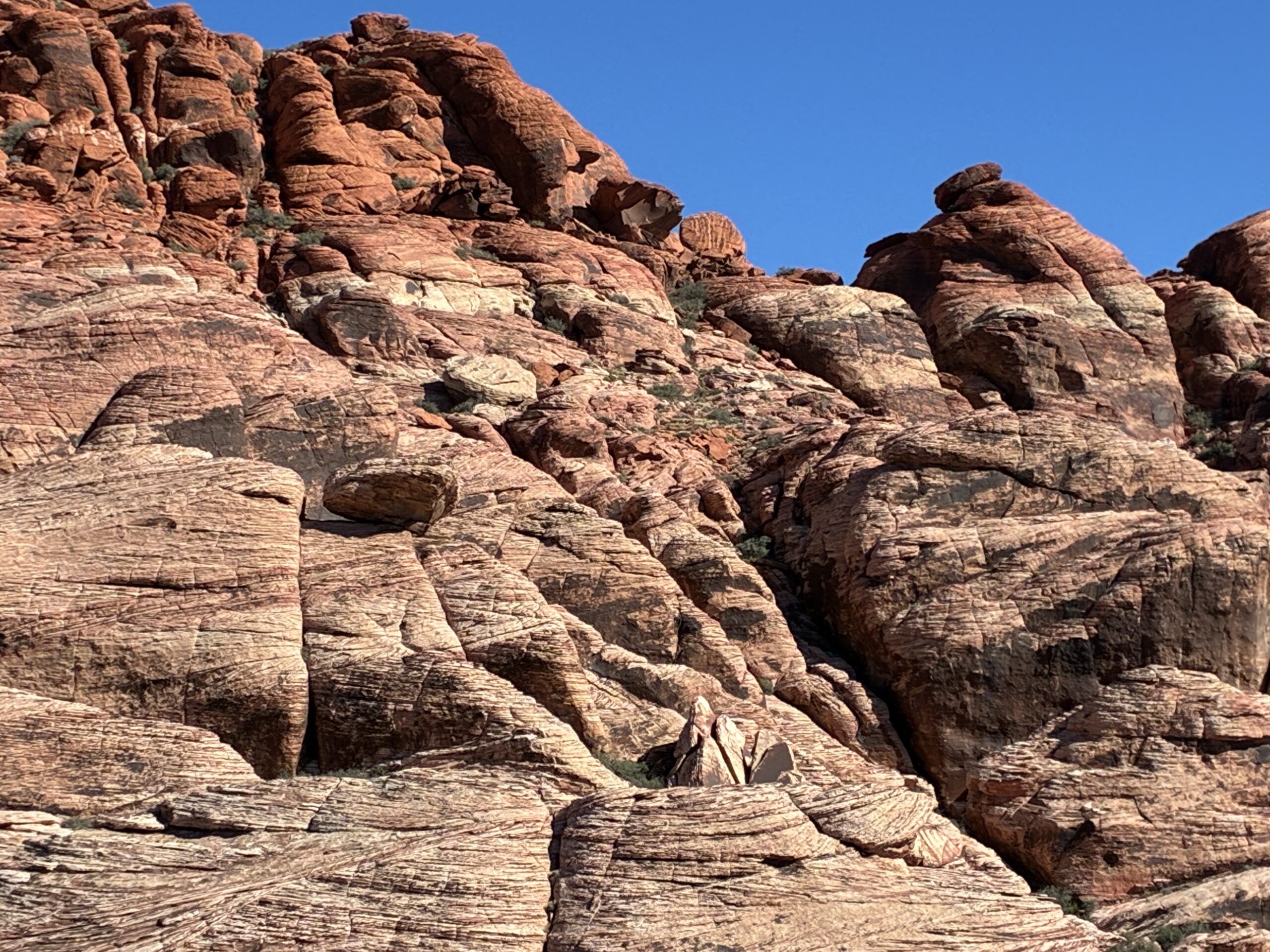
Some of the rock formations in the Red Rock National Conservation Area date back over 500 million years. Jurassic sand dunes partially stained red by iron oxide captured the behavior of dinosaurs and other animals in fossil trackways. Movements of the Earth’s plates created the Keystone Thrust Fault, a unique tectonic feature still visible as the contact between the older grey limestones above and younger red and tan sandstones below.
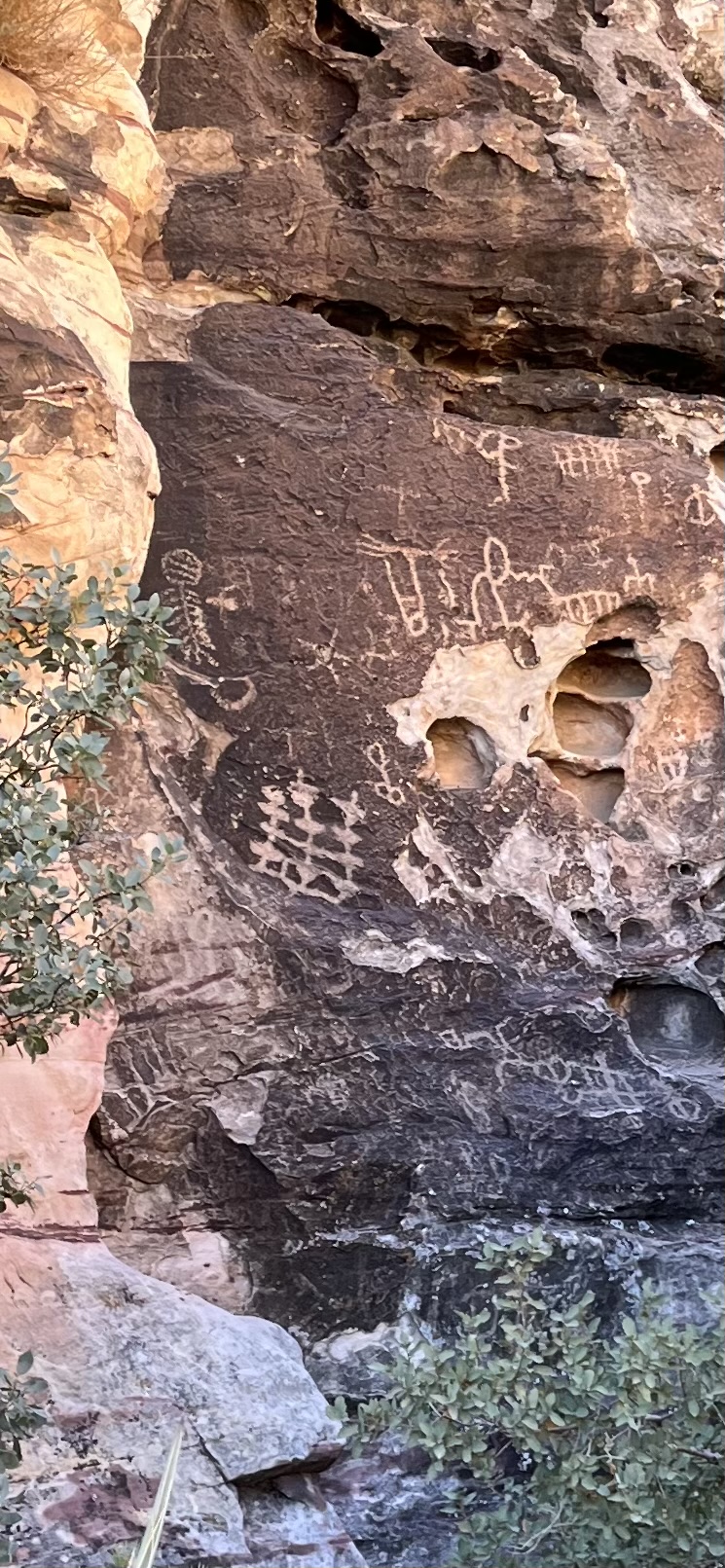
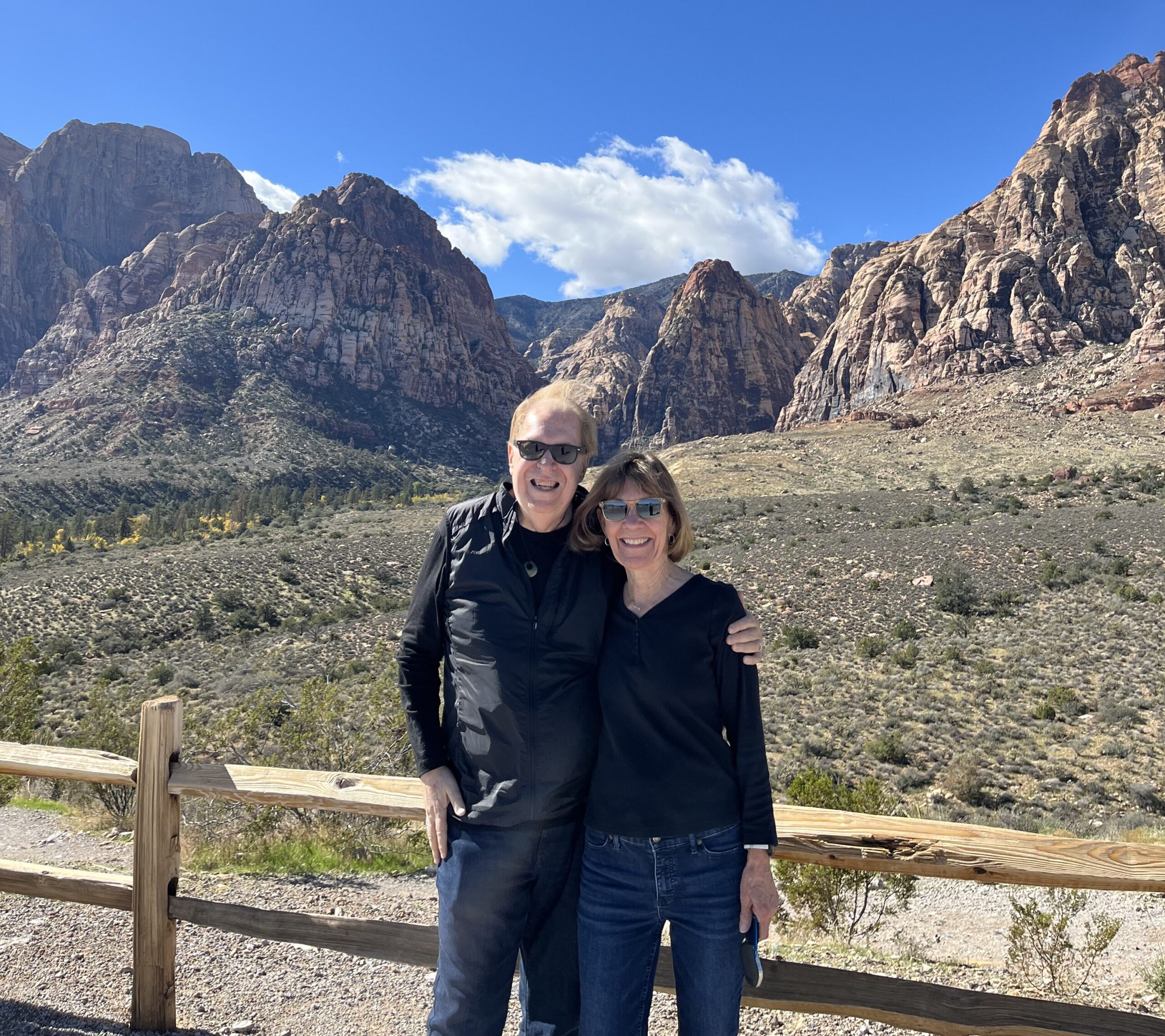
Human presence in Red Rock Canyon is also ancient. We especially enjoyed the Petroglyph Wall trail about halfway along the scenic 13-mile (one way) loop road that starts at the Red Rock Canyon National Conservation Area Visitor Center. Other must-see stops on the loop road include Calico for its brilliant red rocks and Ice Box and Pine Creek Canyons. To properly see this area, allow at least a half-day.
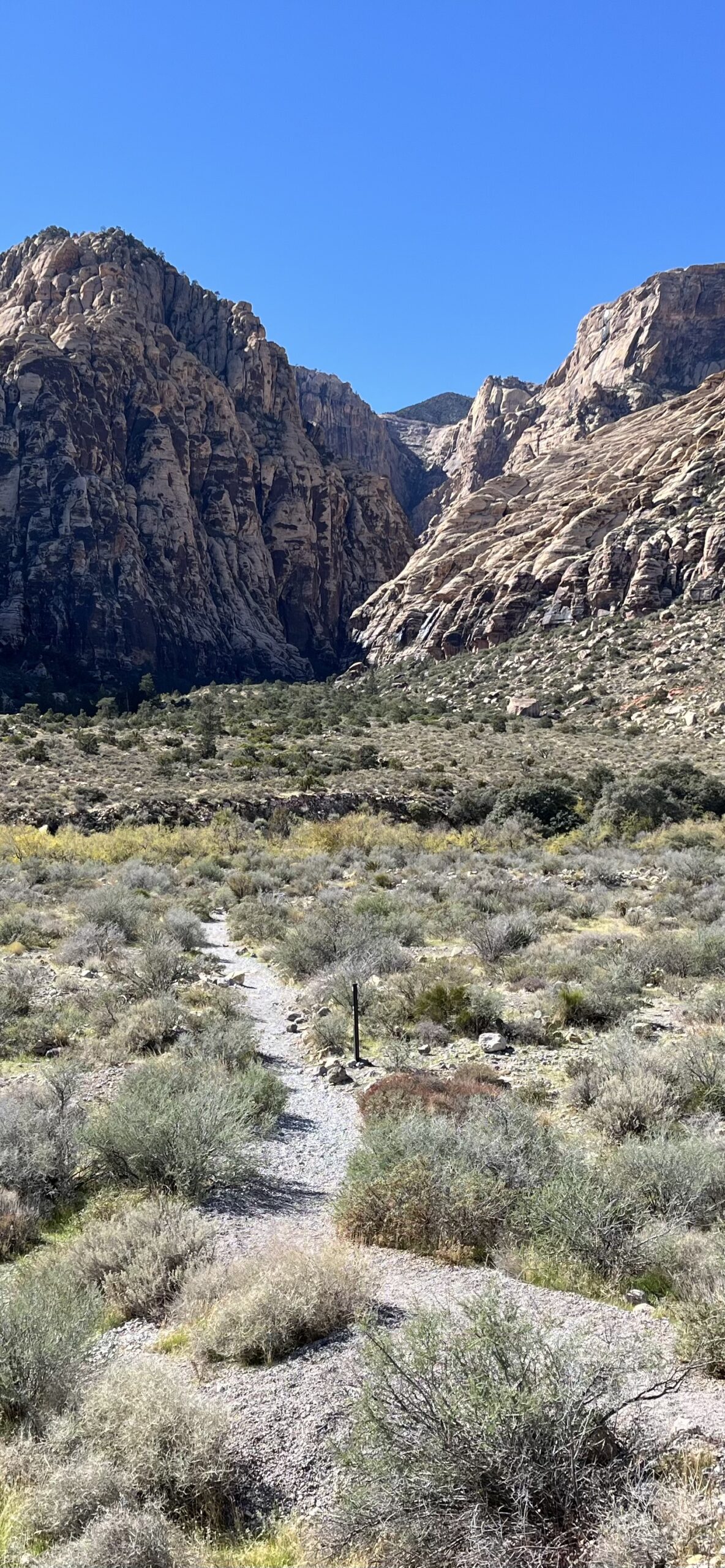
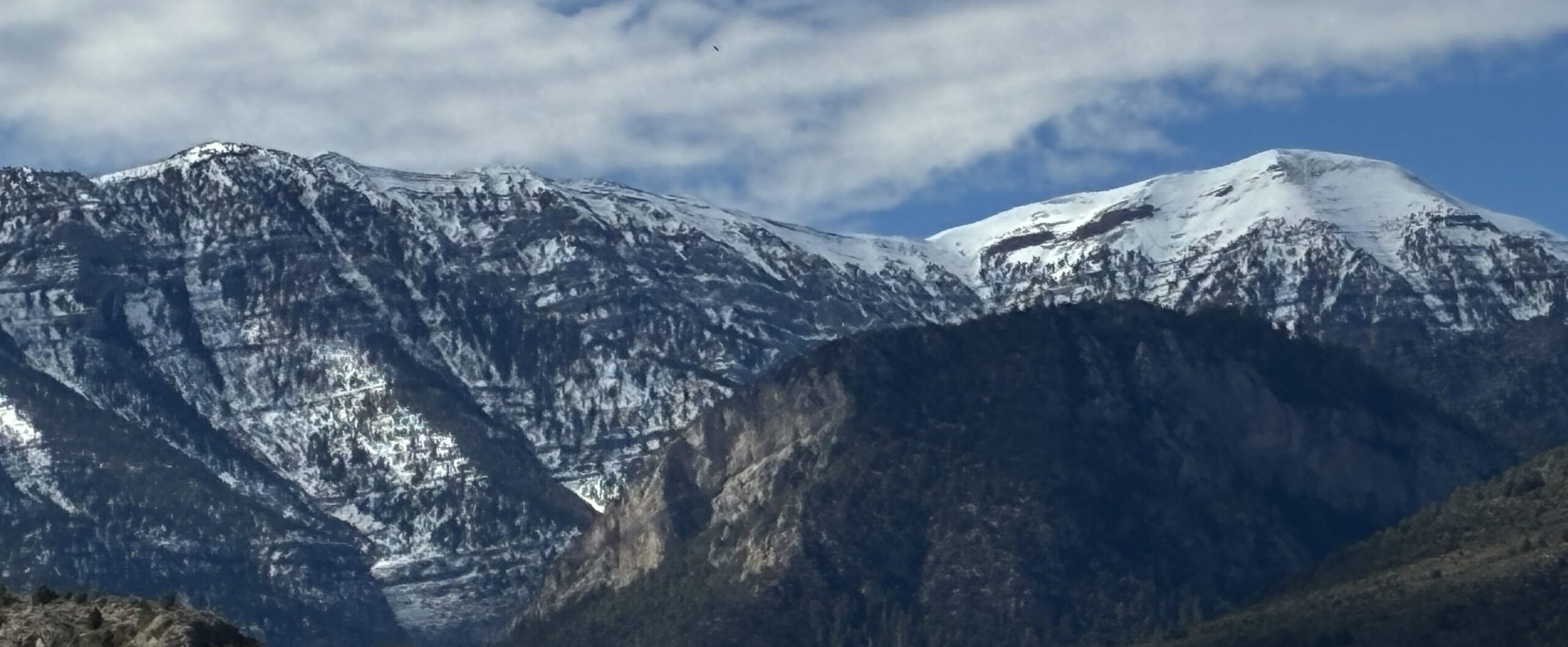
No visit to the Spring Mountains is complete without seeing the sentinel of the mountain range, Mt. Charleston, which has an elevation just under 12,000 feet. Mt. Charleston is the centerpiece of the Spring Mountains National Recreation Area, which is less than an hour from the Las Vegas Strip. The area is a forested oasis offering sixty miles of maintained hiking trails, nearly 200 campsites, and over 150 picnic areas. There is a modest ski area, a small hotel and restaurant, where we had a decent lunch and view.
For those looking to escape the bright lights and noise of the Las Vegas Strip, the Spring Mountains offer a much needed tonic of quiet and reflection.
BB Travel Tips:
We flew nonstop from Tucson International Airport (TUS) to Las Vegas on one of the frequent one-hour flights on Southwest Airlines.
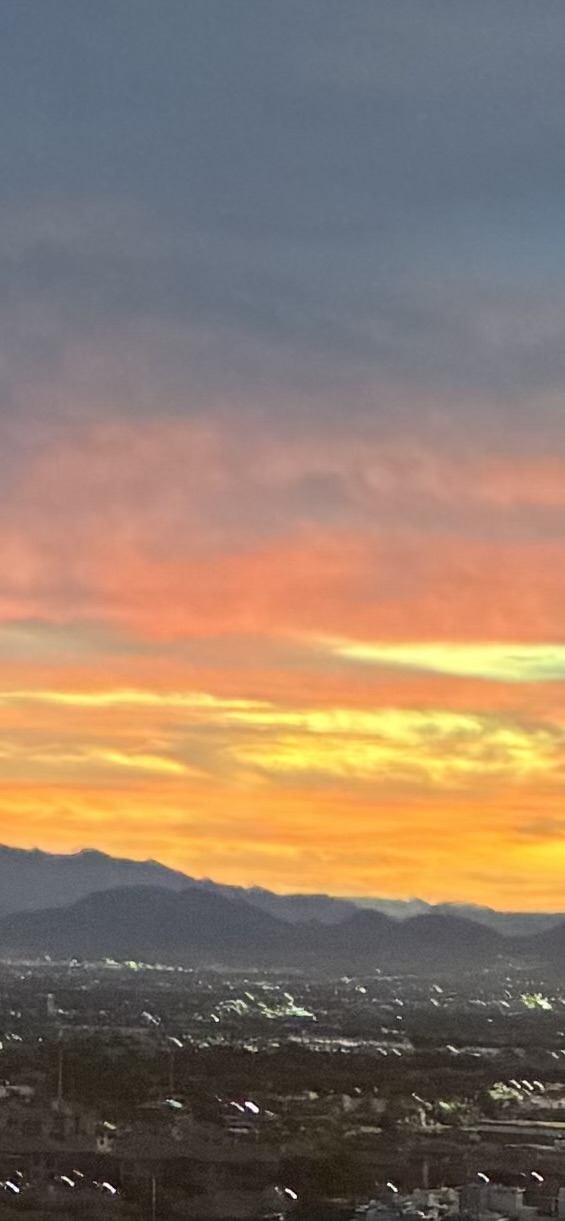
Our base for exploring the Spring Mountains was the Red Rocks Resort and Spa. The 20-story hotel offers wonderful views of the Spring Mountains in the west facing rooms and the Las Vegas Valley and Strip on the east side rooms.
Reservations to do the Red Rock National Conservation Area scenic drive are required October 1 – May 31 from 8am to 5pm and can be made by visiting www.recreation.gov or by calling 1-877-444-6777.