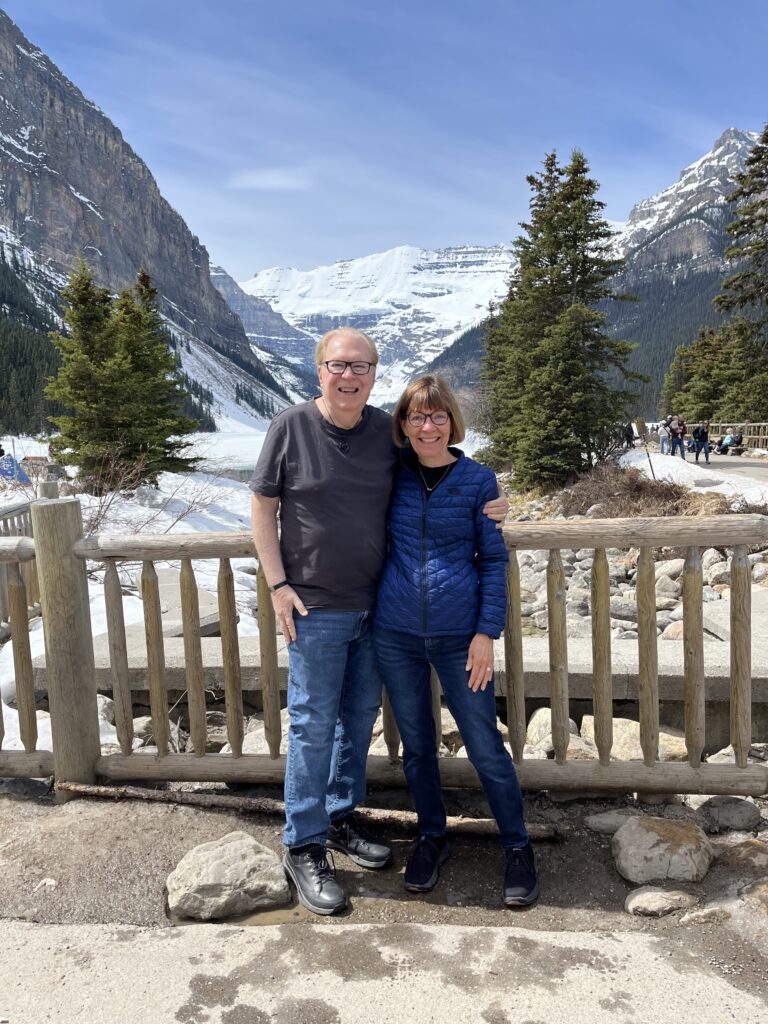
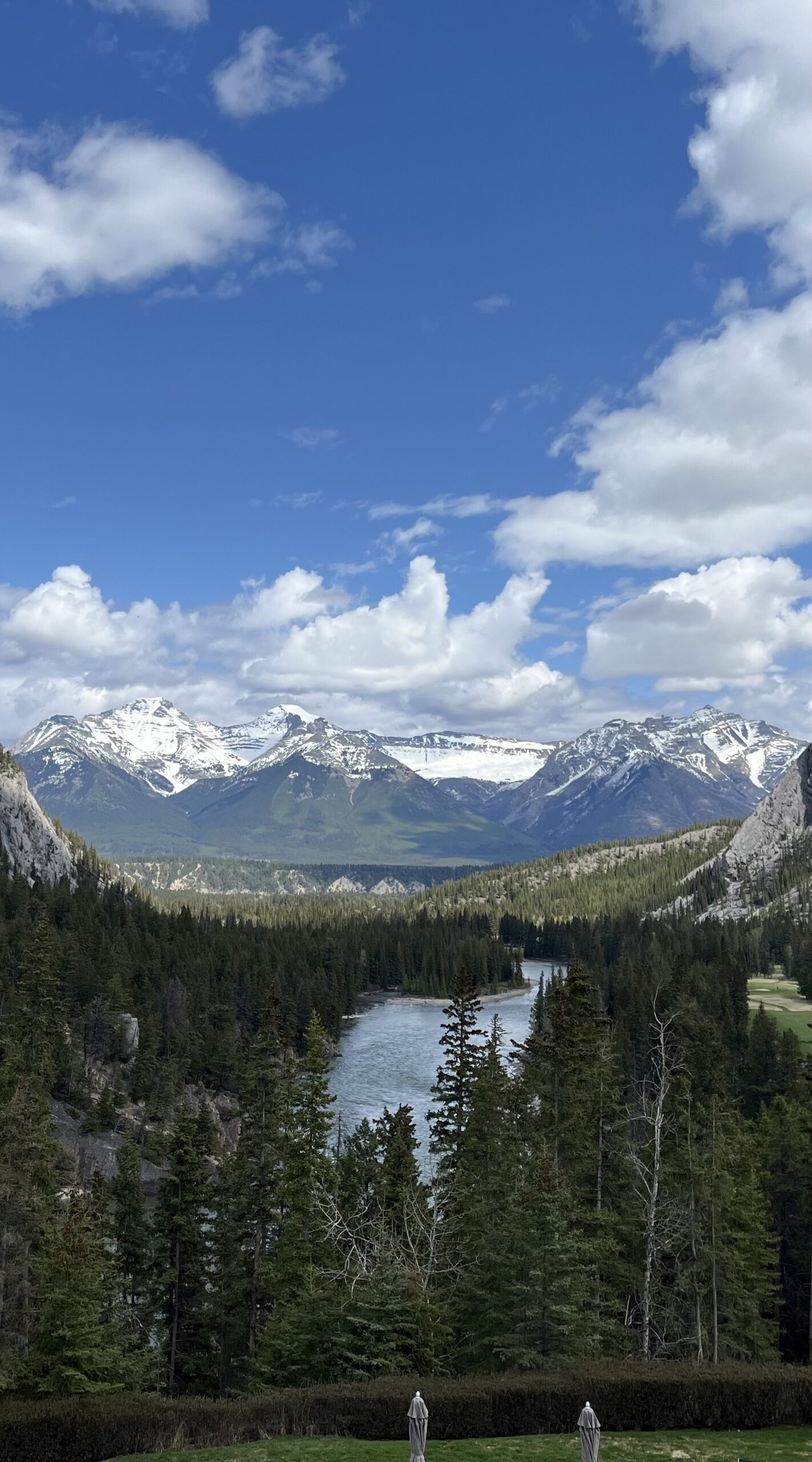
A visit to Canada’s Banff National Park is always high on the bucket list for travelers looking for some of North America’s finest mountain scenery. Named for a village in Scotland, Banff is Canada’s first national park, established in 1885 as Rocky Mountain Park. Located in the Canadian Province of Alberta, Banff encompasses more than 2,500 square miles of mountainous terrain, featuring many glaciers and ice fields, dense coniferous forest and alpine landscapes.
Only about an hour west of the easily accessible Calgary International Airport, most travelers understandably head west on the Trans-Canada Highway to the park, home to the world-famous Lake Louise.
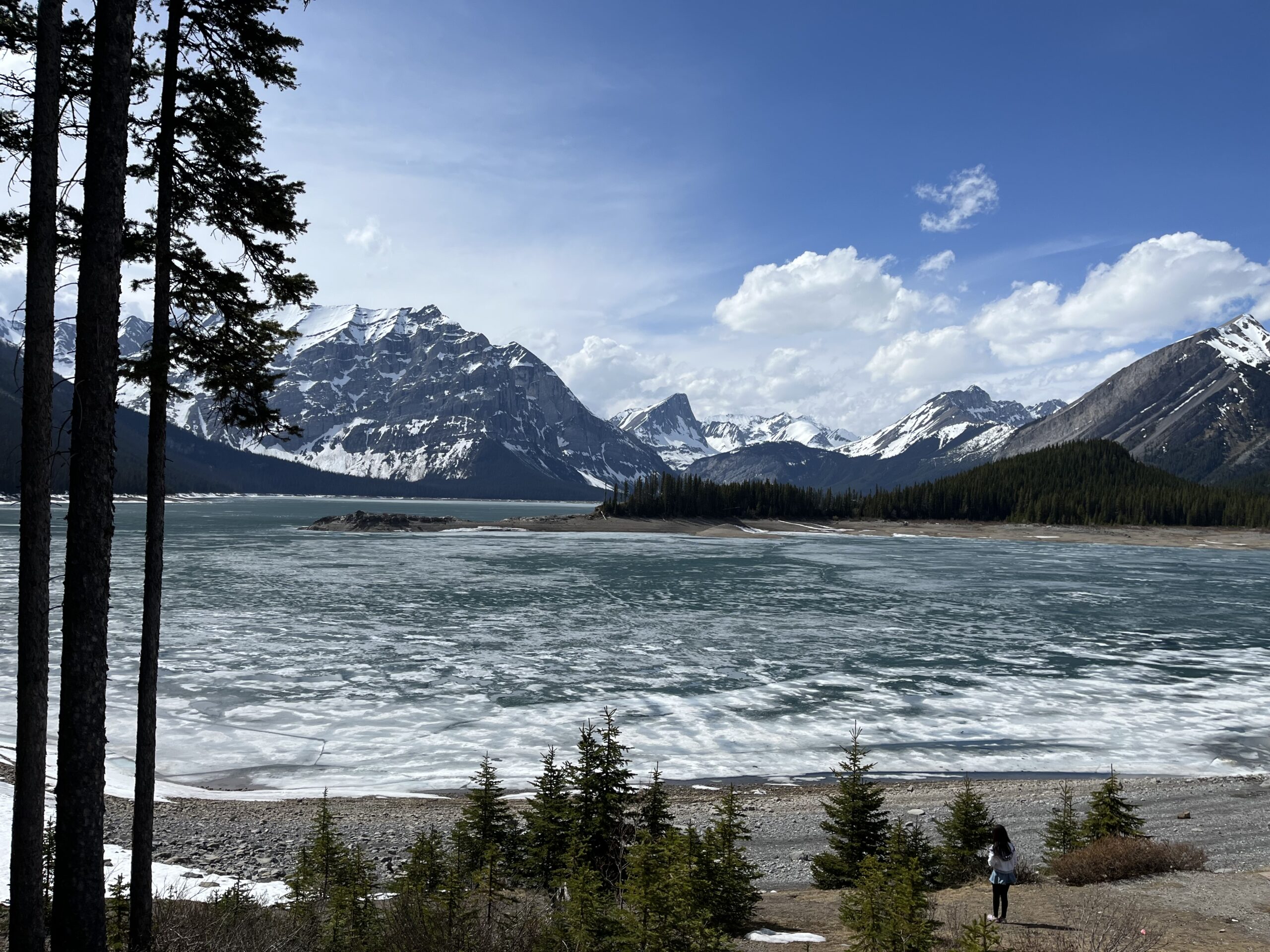
Most people breeze by the exit for Highway 40, known as the Kananaskis Trail. Missing that exit is a big mistake because a few miles on Highway 40, it quickly becomes apparent that this is Canada’s Shangri-La. Established by the Alberta government in 1978, Kananaskis Country (also known as K-Country) owes its name to the Kananaskis River, which John Palliser named in 1858 after a legendary Cree Native person. Although Kananaskis Country is often mistaken for a single park, it comprises several wildland provincial parks and recreation areas including the Upper Kananaskis Lake in Peter Lougheed Provincial Park. The beauty of this alpine lake tucked in the dramatic Kananaskis Mountains was the highlight of our week in the Canadian Rockies. Yes, it was even more dramatic than the world famous Lake Louise about an hour up the road on Highway One.
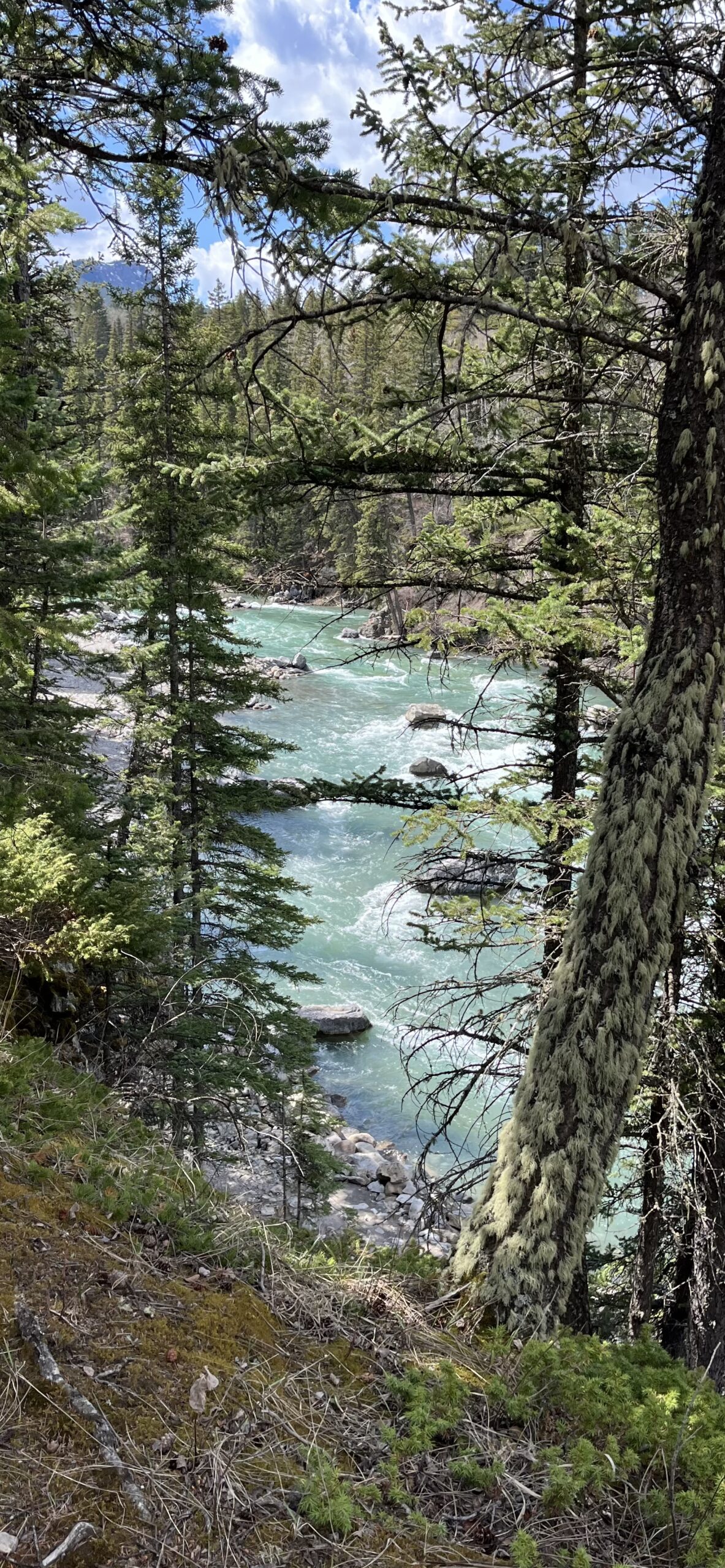
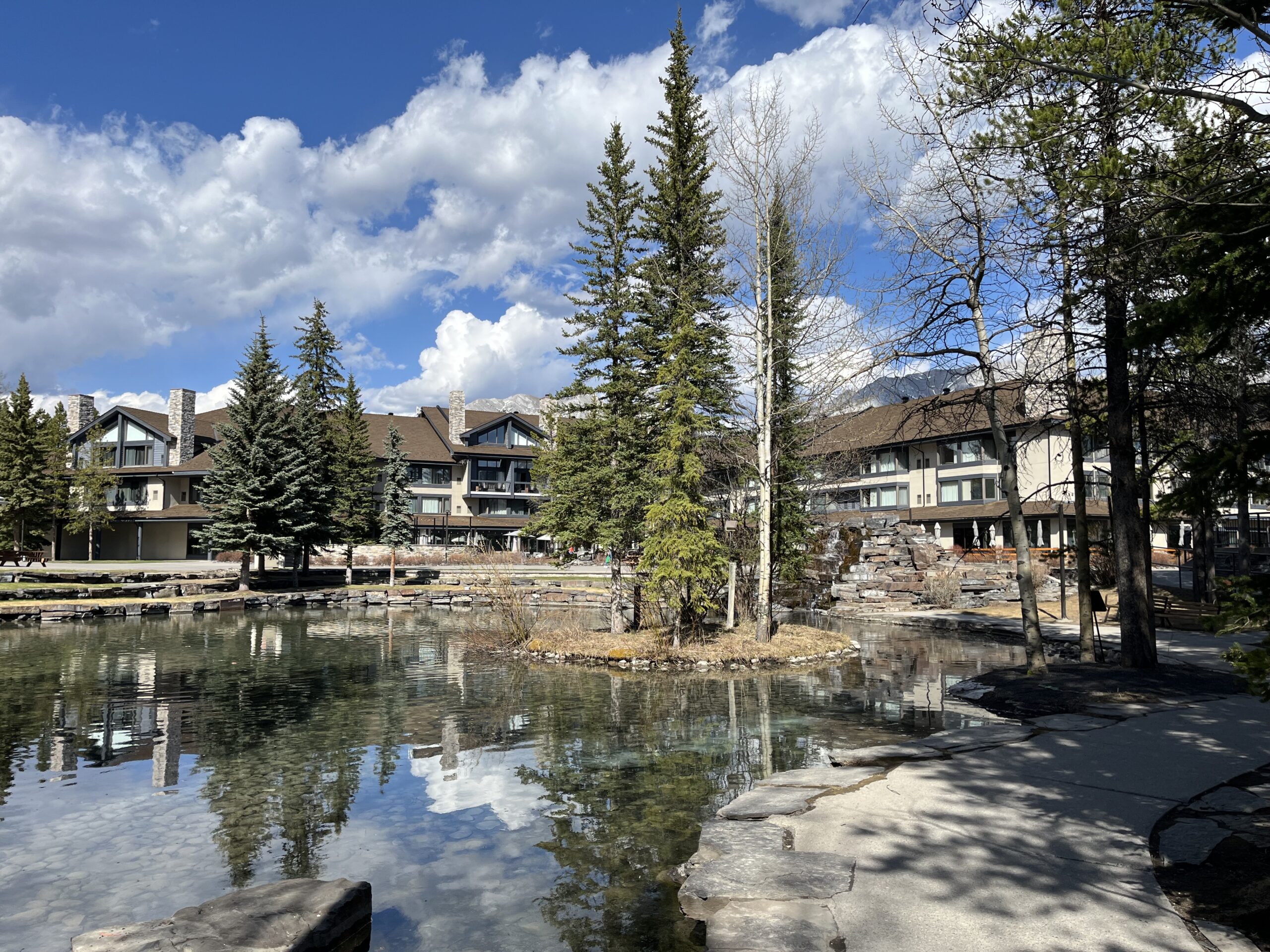
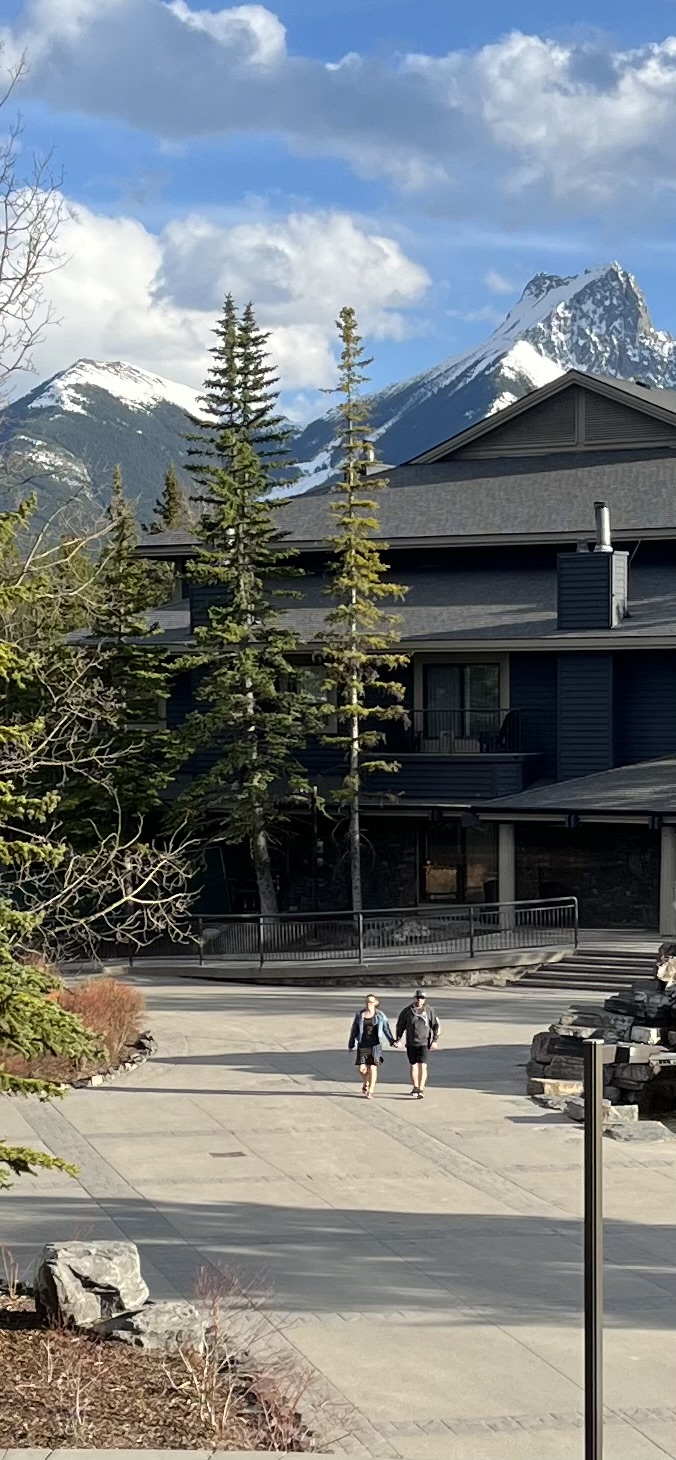
We based our visit to Kananaskis Country at the Kananaskis Village which has only one hotel—but what a hotel it is! The Pomeroy Kananaskis Mountain Resort is a five-star resort which was recently updated to host the 51st G7 Summit in June of 2025. We were fortunate to stay in the best room for views. Room 2115 affords a wonderful view to the north of Mt. Kidd, one of the landmark peaks of the southern Canadian Rockies and to the south a great look at The Wedge, a distinctive peak popular with hikers and climbers. With such magnificent views, it was hard to leave the room but the many hiking trails within a few miles of the hotel were calling including the one-mile loop around the alpine lake at the base of The Wedge. It’s easy to understand why this area hosted several events in the 1988 Winter Olympics.
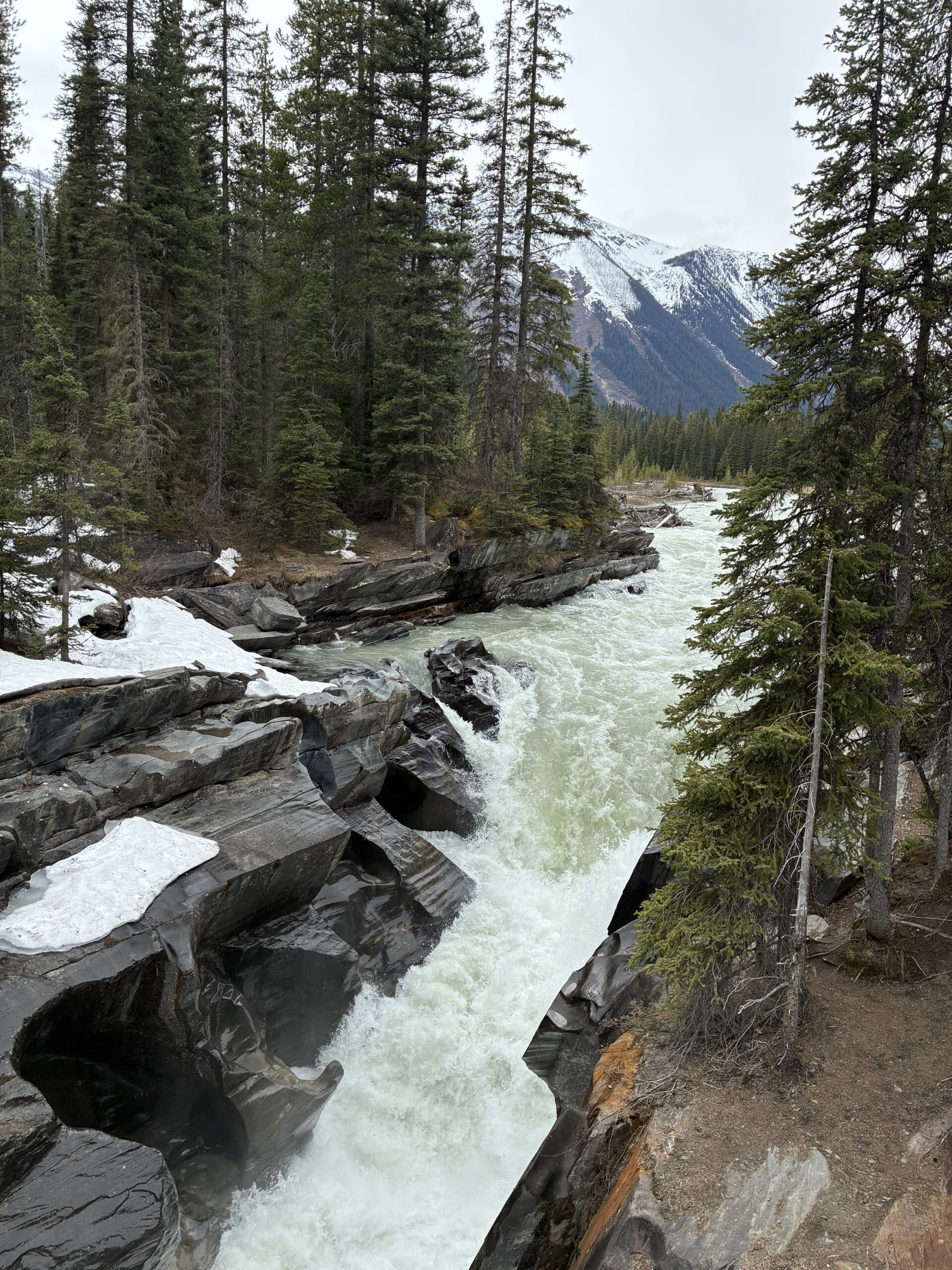
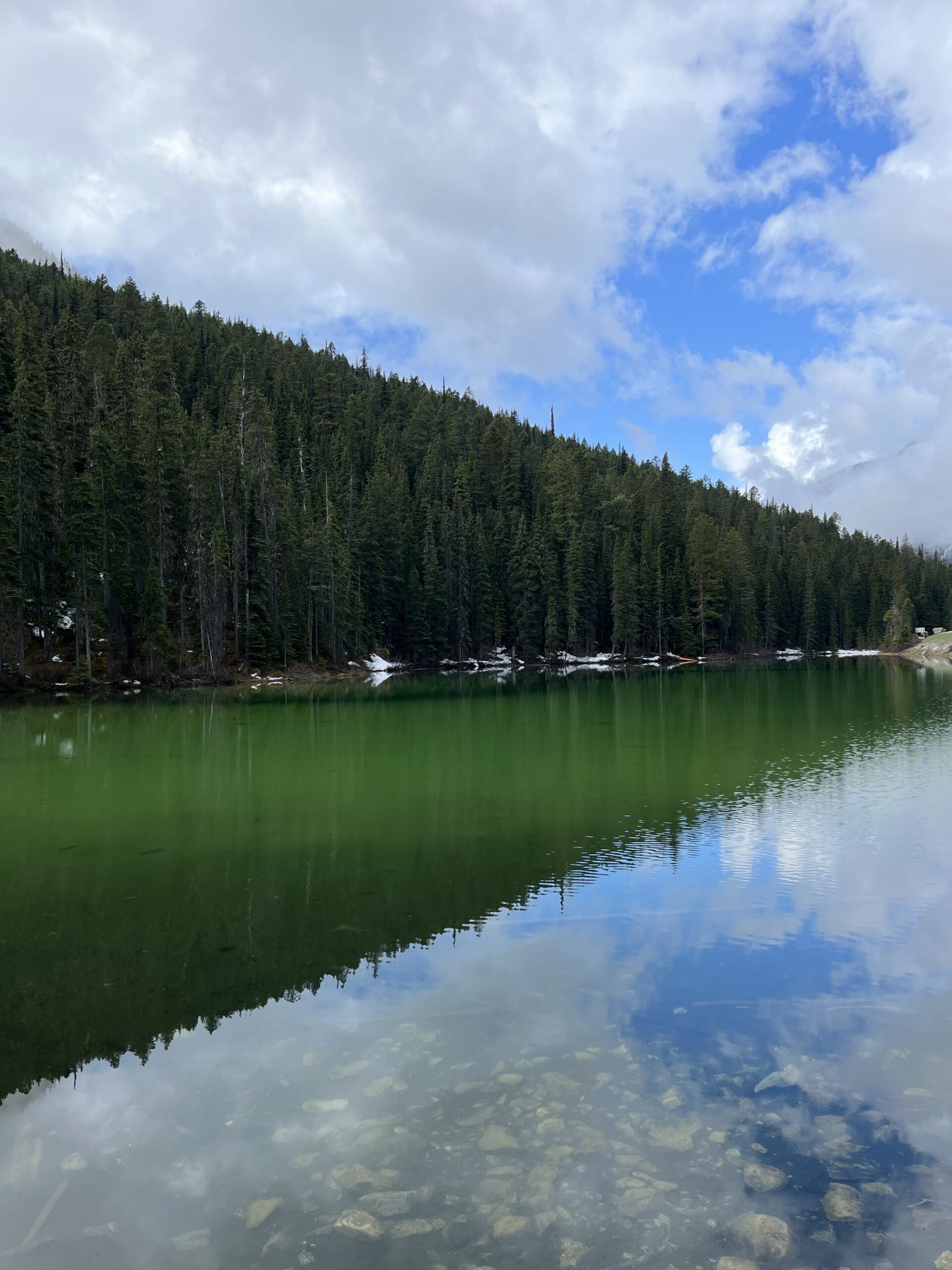
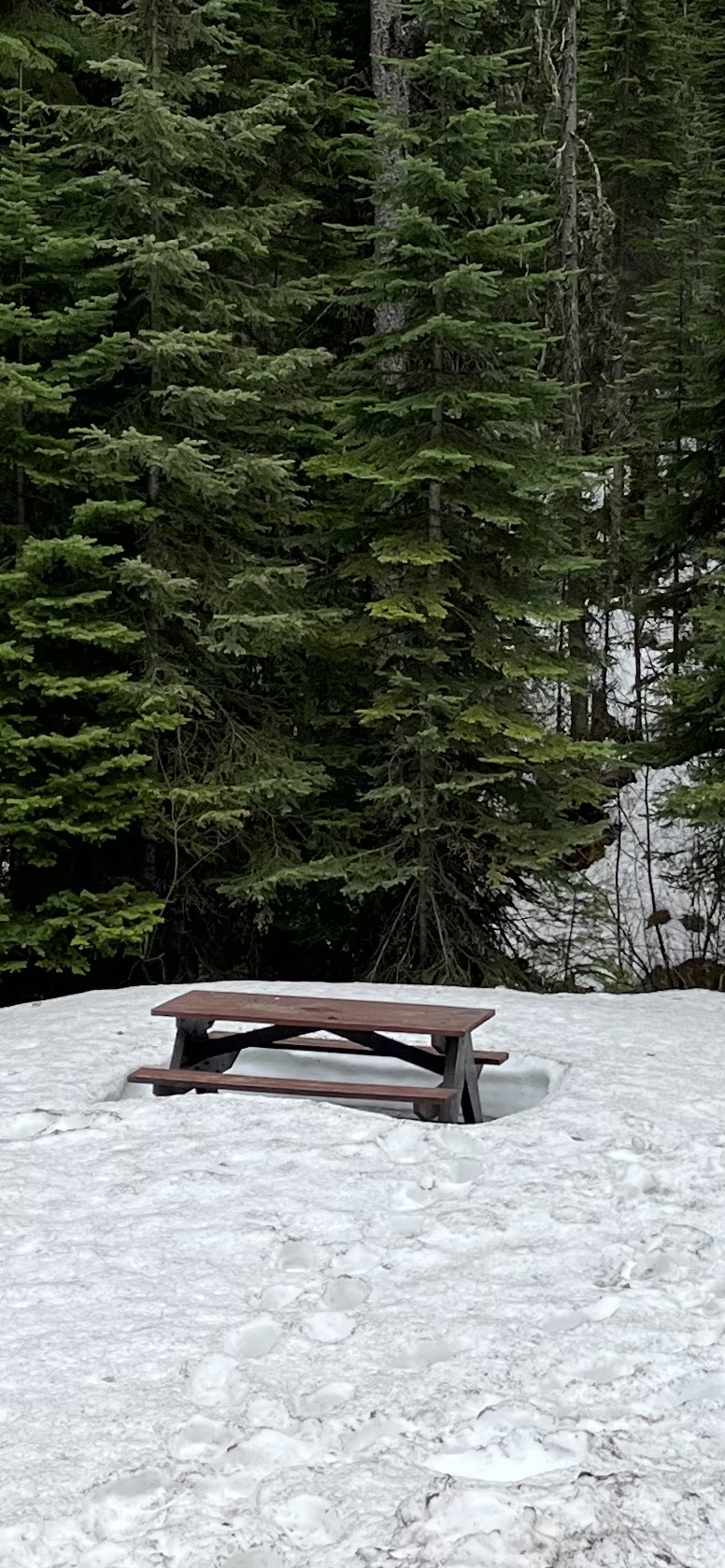
After five nights, at the Kananaskis Mountain Resort it was time to head back to the Trans-Canada Highway and begin exploring Kootenay National Park, one of seven contiguous national and provincial parks that form the Canadian Rocky Mountain Parks World Heritage Site. The Continental Divide is the boundary between Kootenay and Banff National Park as well as the British Columbia-Alberta provincial border. The park is named for the Kootenay River which has its headwaters just outside the park boundary, flowing through the park into the Rocky Mountain Trench and eventually joining the Columbia River. The Banff-Windermere Highway travels 65 miles through the entire park ending at Radium Hot Springs, B.C. We loved this park and stopped at several places including Olive Lake and Numa Falls, which was roaring through a narrow canyon. It was mid-May and the area had a record winter snowfall which was just starting to melt.
To properly explore the Canadian Rocky Mountain Parks World Heritage Site one would need a ton of time. After all, the famous Icefields Parkway which connects Banff and Jasper National Parks, is a world wonder. Well, there’s always next time!
BB Travel Tips
We flew nonstop on Delta Airlines from Tucson International Airport to Seattle-Tacoma International Airport where we had an easy connection on the Canadian Carrier Westjet into Calgary. We stayed at the Marriott In-Terminal Hotel which is totally soundproof with great views of the tarmac and runway.
One of the best meals on the trip also came with the best dinner view. The Iron Goat Pub and Grill in Canmore, the community at the entrance to Banff National Park had great food (the maple-glazed grilled salmon was so memorable!) and unbelievable views of the famous Three Sister Peaks, a Banff area landmark.
Much of the park land was originally the ancestral ground of the Stoney First Nation. Their horses are largely unfenced and turn up anywhere including at a service station!
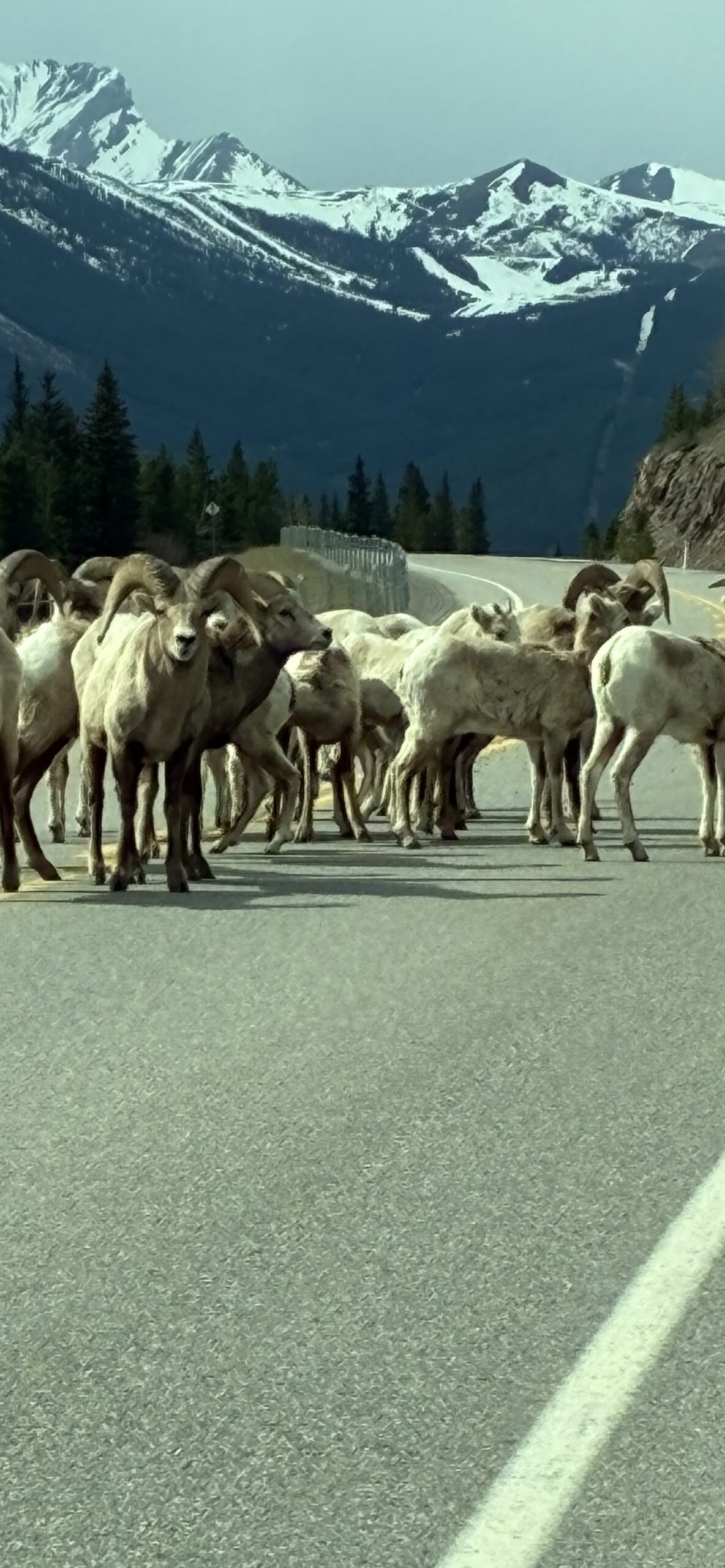
Remember wildlife can suddenly appear around any bend in the road, so drive accordingly. We saw lots of Rocky Mountain sheep on the road where they love to lick salt residue left over from winter road de-icing.