
California’s coastal scenery is world-renowned, particularly Highway 1 along the Big Sur and Sonoma coastlines. About a year ago, I learned about the “Slow Coast”—the stretch of Highway 1 between Santa Cruz and Half Moon Bay. Less than 50 miles long, it is less crowded, more remote, and retains a rugged, unspoiled character compared to the surf culture and big attractions of Southern California.
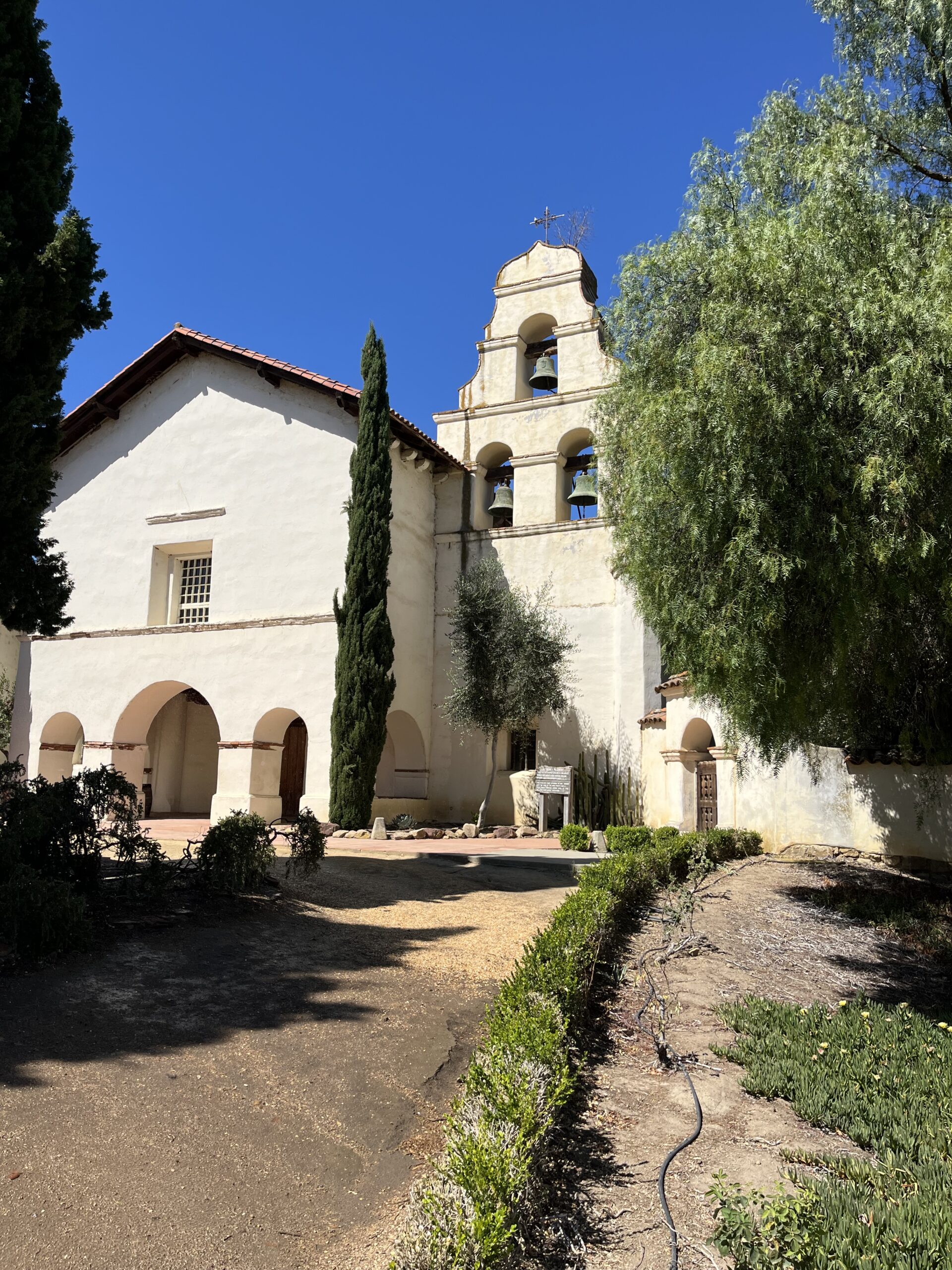
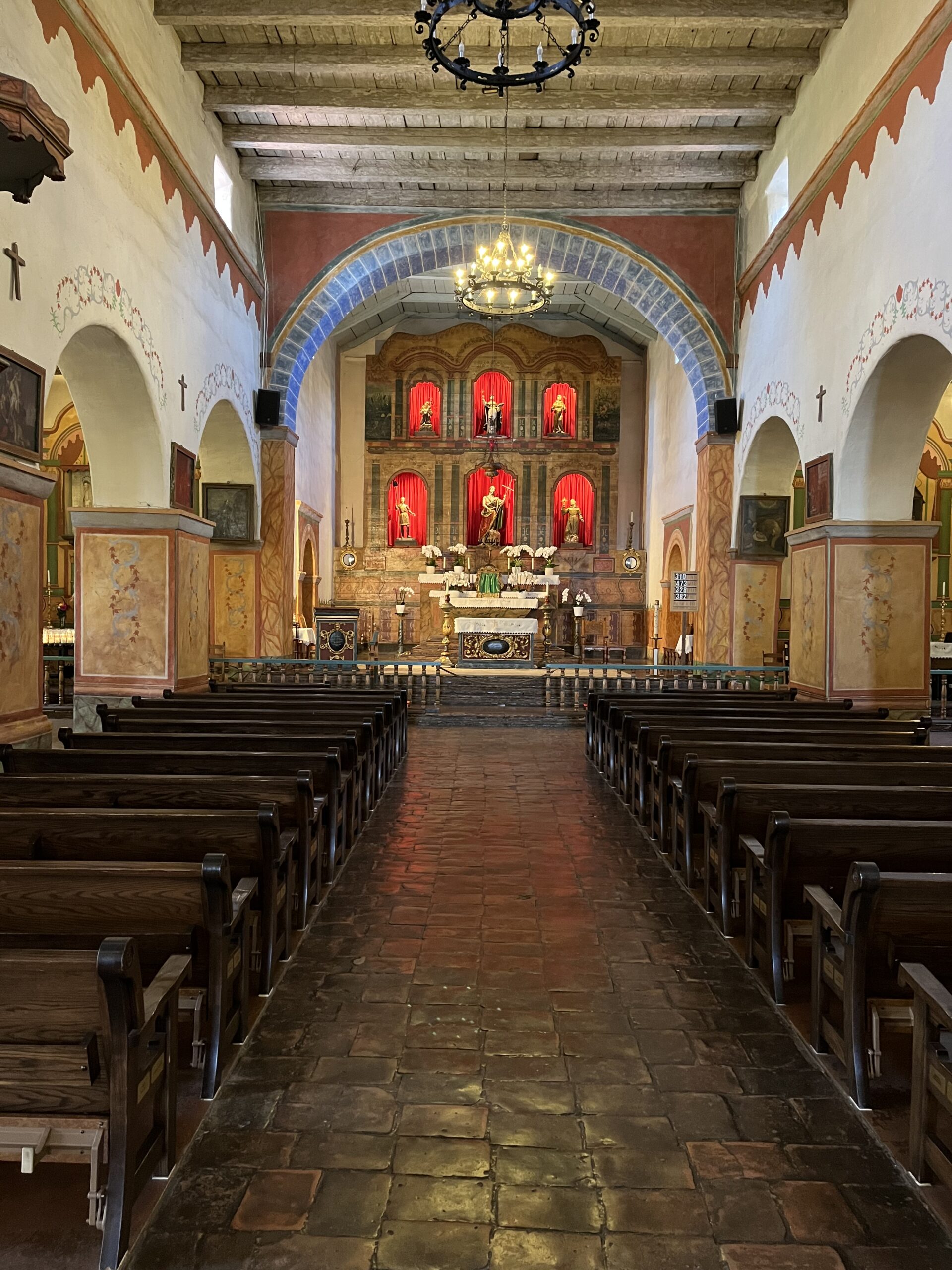
Before heading north, we wanted to explore Santa Cruz, located on the northern edge of Monterey Bay. Our first stop was the historic hamlet of San Juan Bautista, home to one of my favorite California missions. Located 45 minutes southeast of Santa Cruz, Mission San Juan Bautista is the 15th of the 21 Spanish missions in California. Famous for its three-bell campanario, two of its bells were salvaged by Father Nick Senf in 2009 from the original chime destroyed in the 1906 San Francisco earthquake. Notably, the San Andreas Fault runs directly under nearby Hollister.
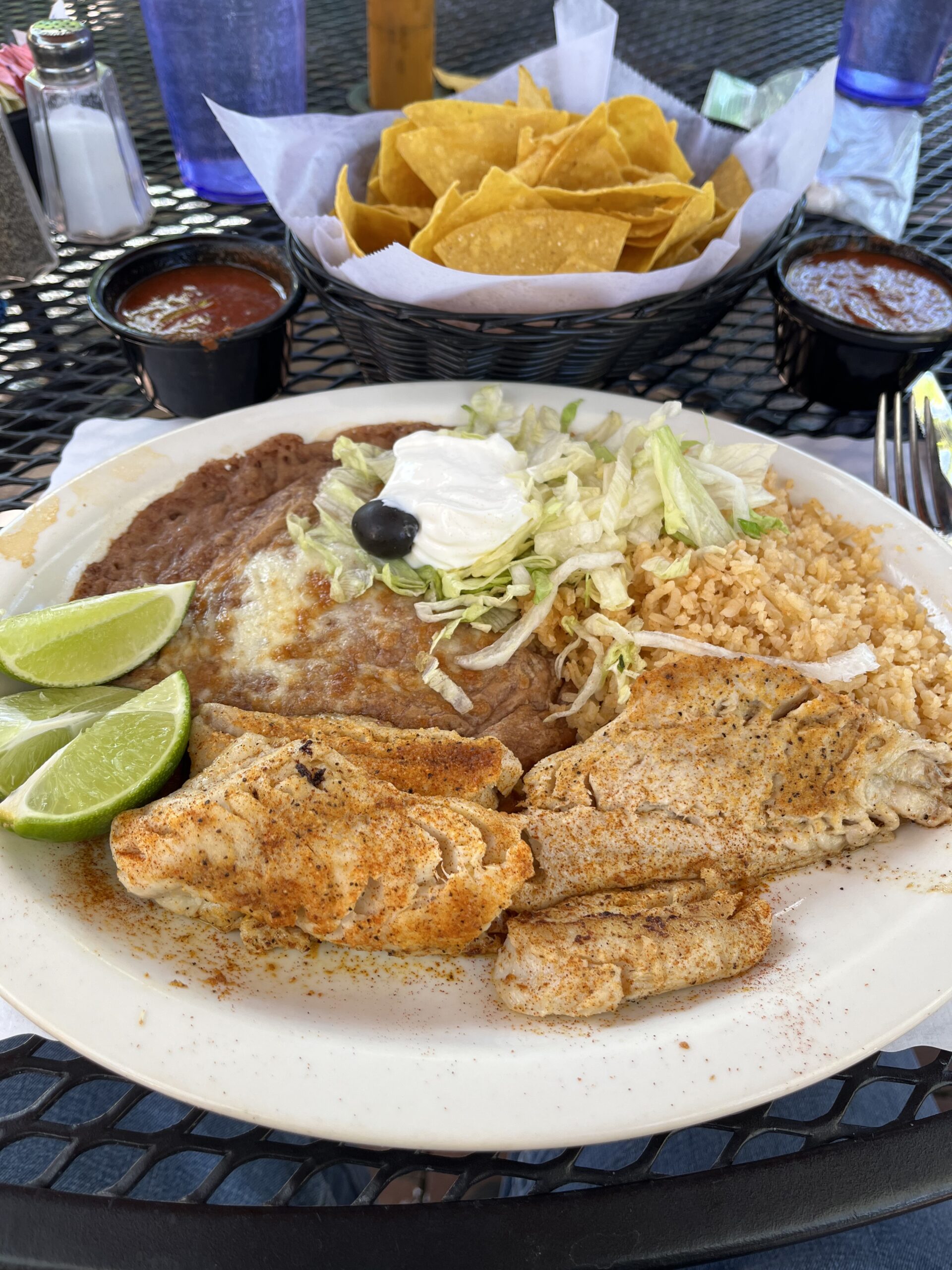
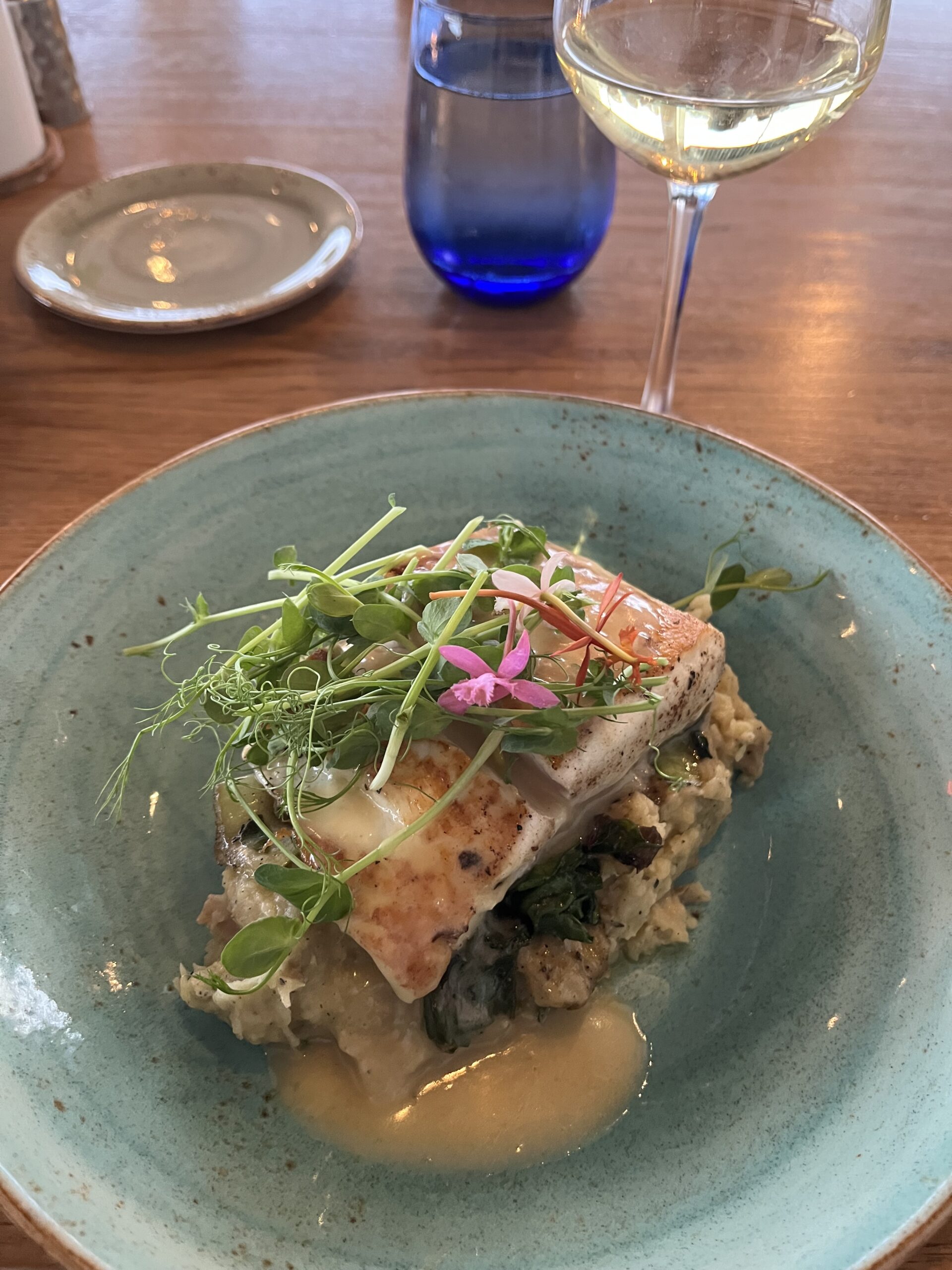
While in San Juan Bautista, we had lunch at Jardines de San Juan, one of the best Mexican restaurants in Northern California. Enjoying their grilled rock cod fillet in the garden was a highlight of the trip.
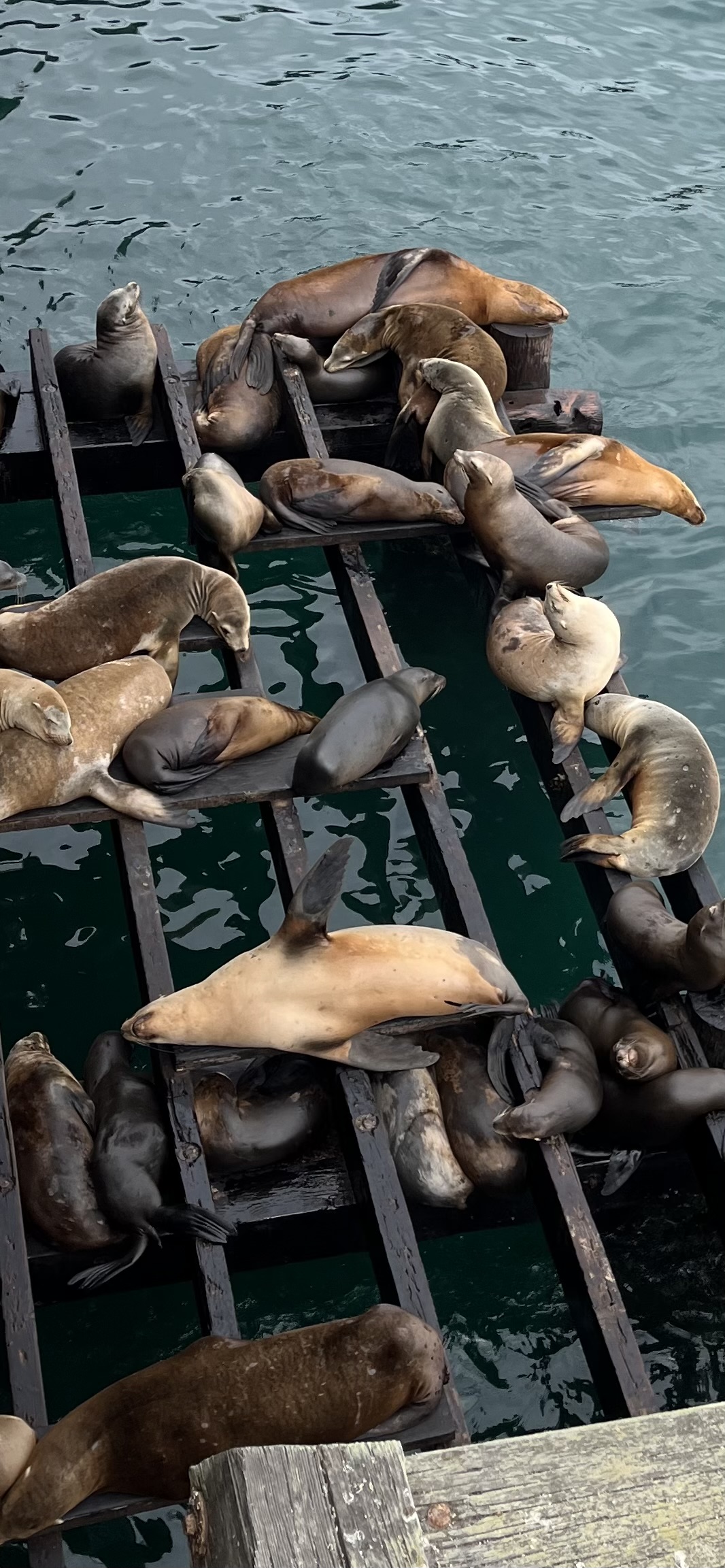
Back in Santa Cruz, we were surprised by how much there was to see in this seaside community of about 60,000. The star attraction is the Santa Cruz Wharf, built in 1914 and believed to be the longest pier on the West Coast. The wharf is a popular spot for fishermen and tourists, offering great seafood restaurants and fun gift shops. It’s also a perfect spot to see sea lions lounging on a platform beside the wharf all day.
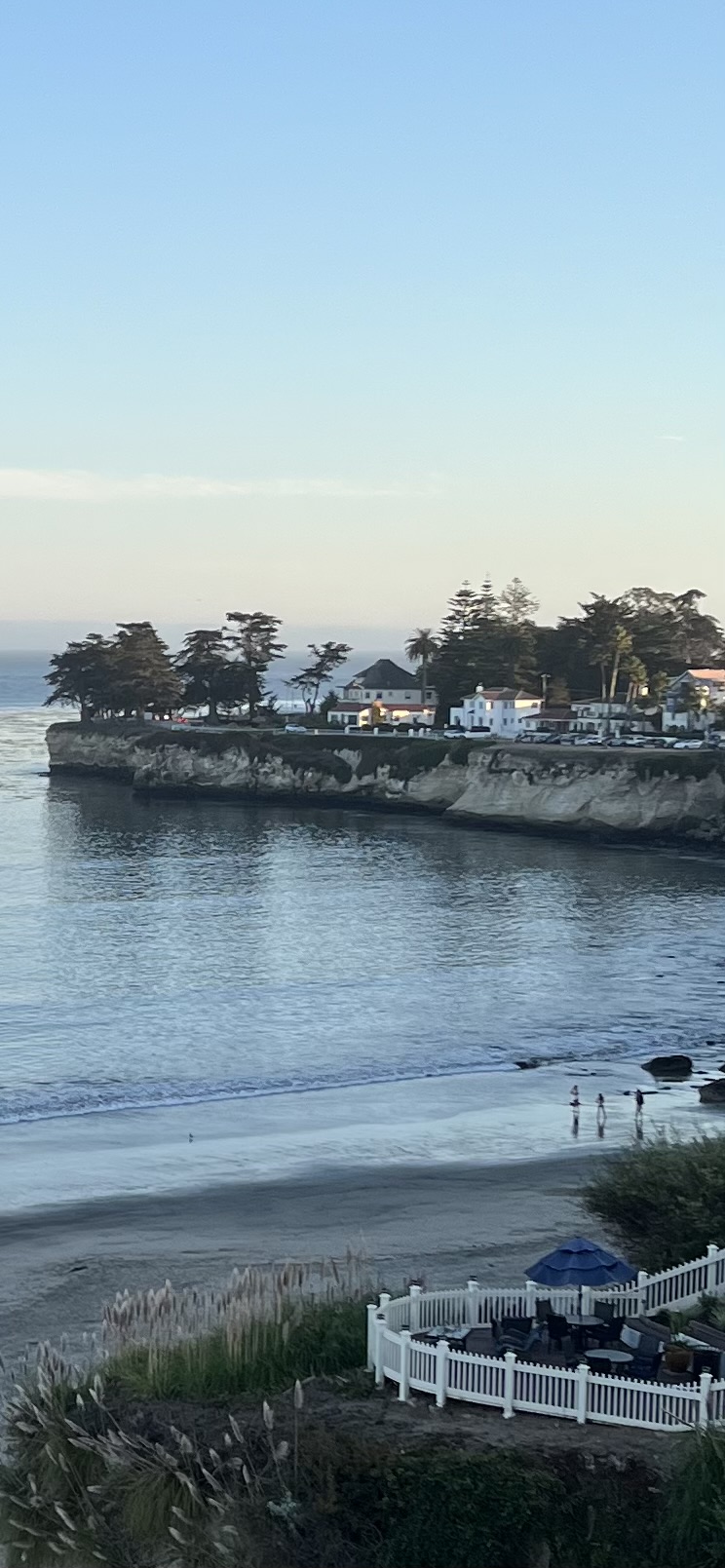
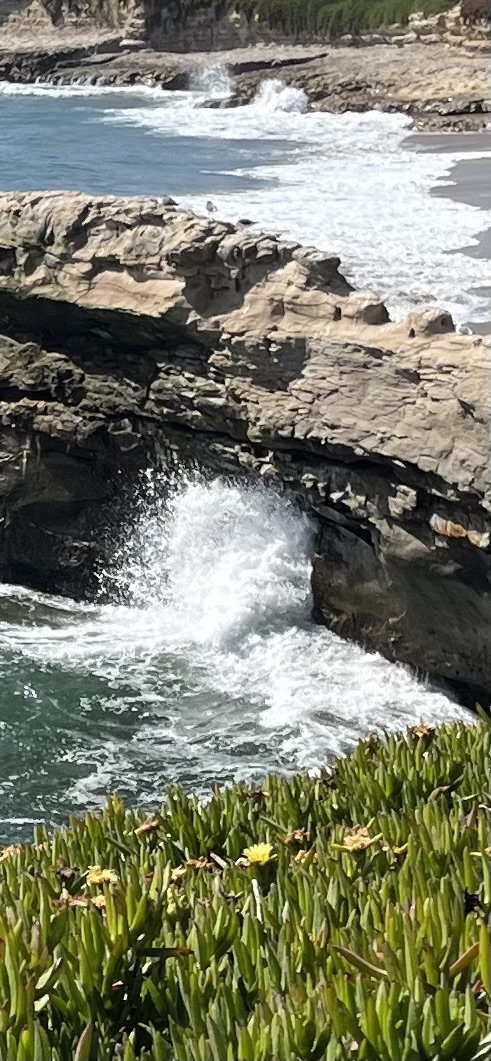
Before heading north along the “Slow Coast,” we wanted to sample Santa Cruz’s iconic West Cliff Drive, a scenic road that hugs the rugged coastline and offers sweeping views of Monterey Bay. The drive ends at Natural Bridges State Beach, a picturesque haven boasting dramatic natural rock formations, tide pools teeming with marine life, and a pristine sandy beach.
It was finally time to head north on Highway 1 to experience “The Slow Coast,” which starts as soon as you leave the Santa Cruz city limits. Almost immediately, the quiet two-lane route hugs the Pacific, passing through wild grasslands, driftwood beaches, and windswept bluffs. Along the way, we saw artichoke, berry, and Brussels sprout farms. There are plenty of places to stop, take pictures, and access cliffside trails. We found the Atkinson Bluff Trail especially lovely and easy to access.
Two must-see stops along the “Slow Coast Highway” are Pigeon Point Lighthouse and the nearby town of Pescadero, a one-block village founded in 1856. The 115-foot Pigeon Point Lighthouse is one of the tallest lighthouses in America and has guided mariners since 1872.
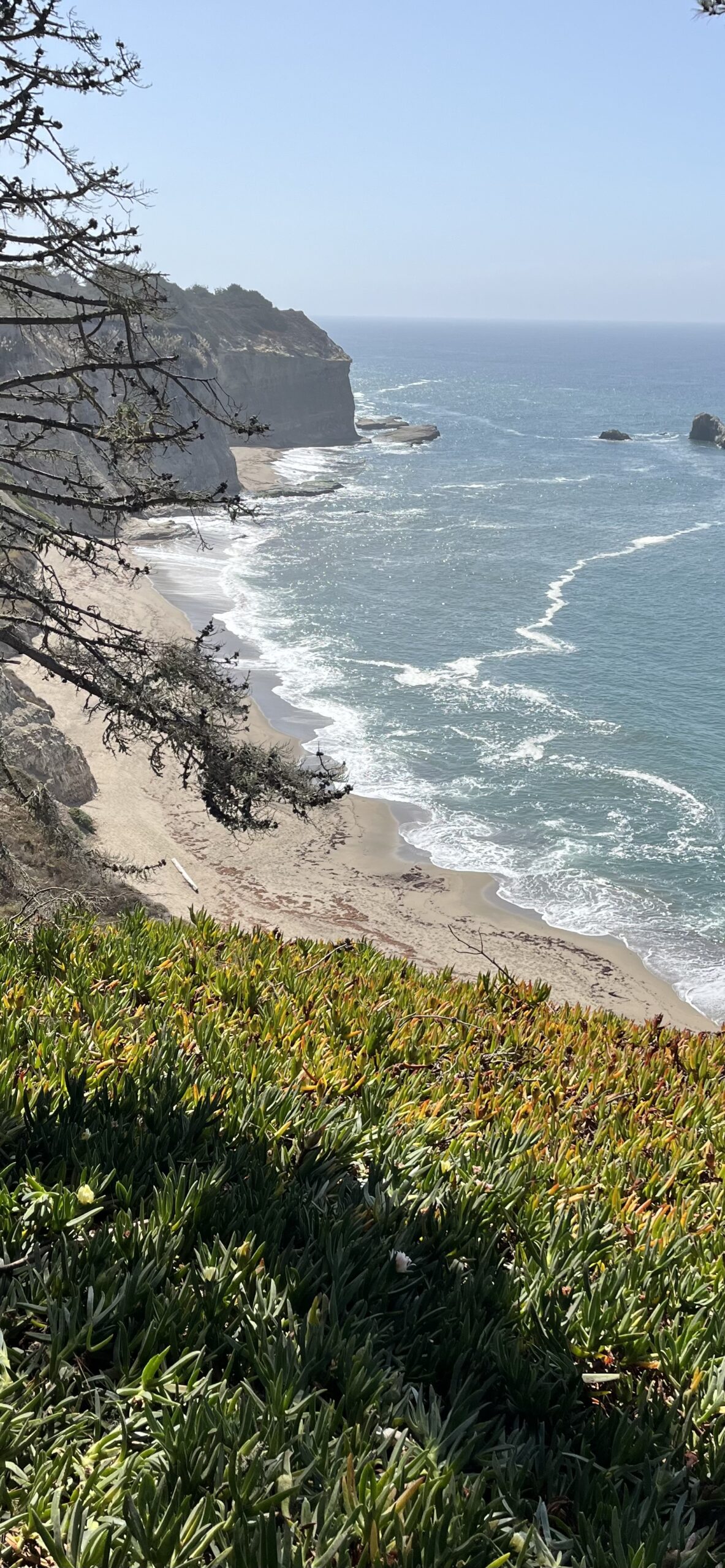
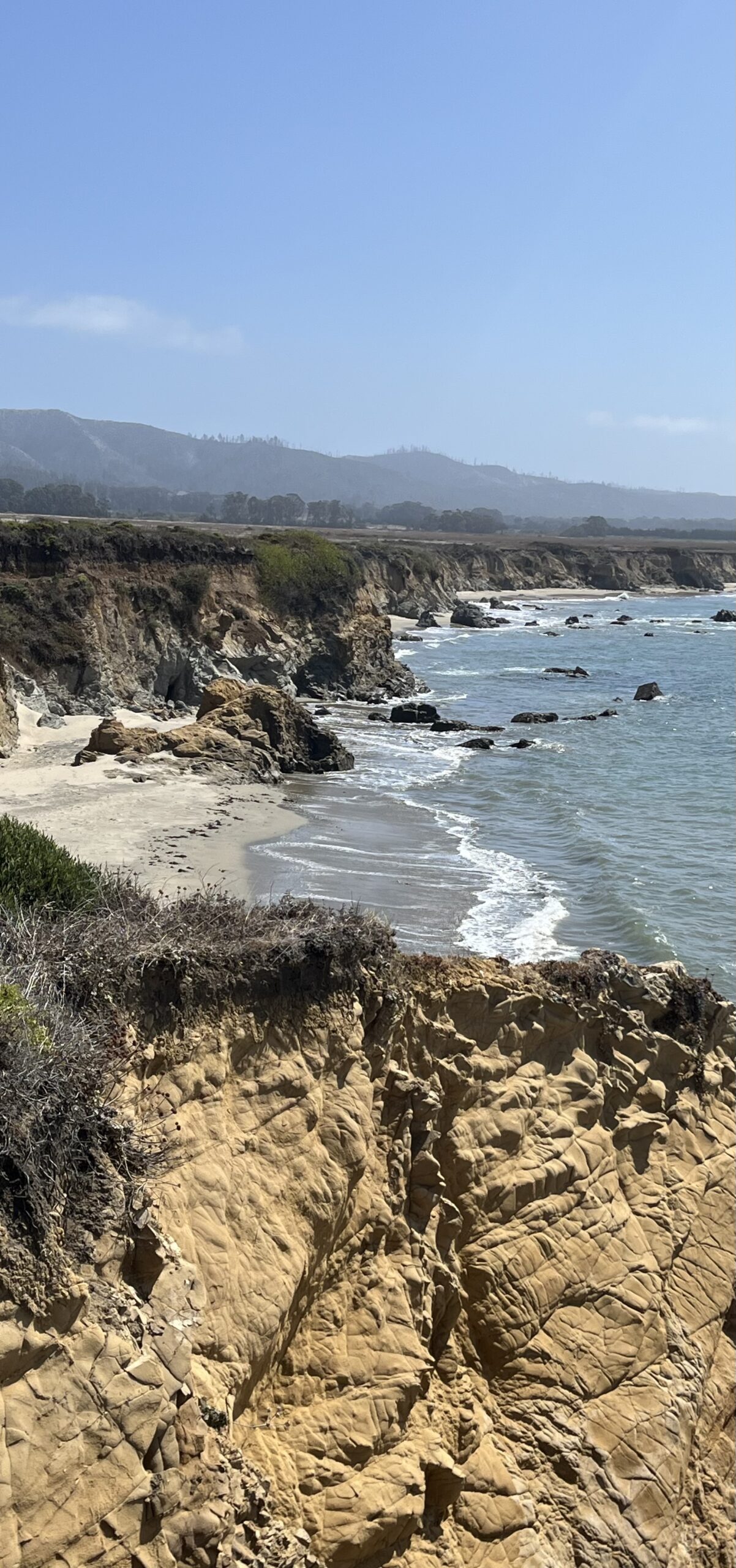
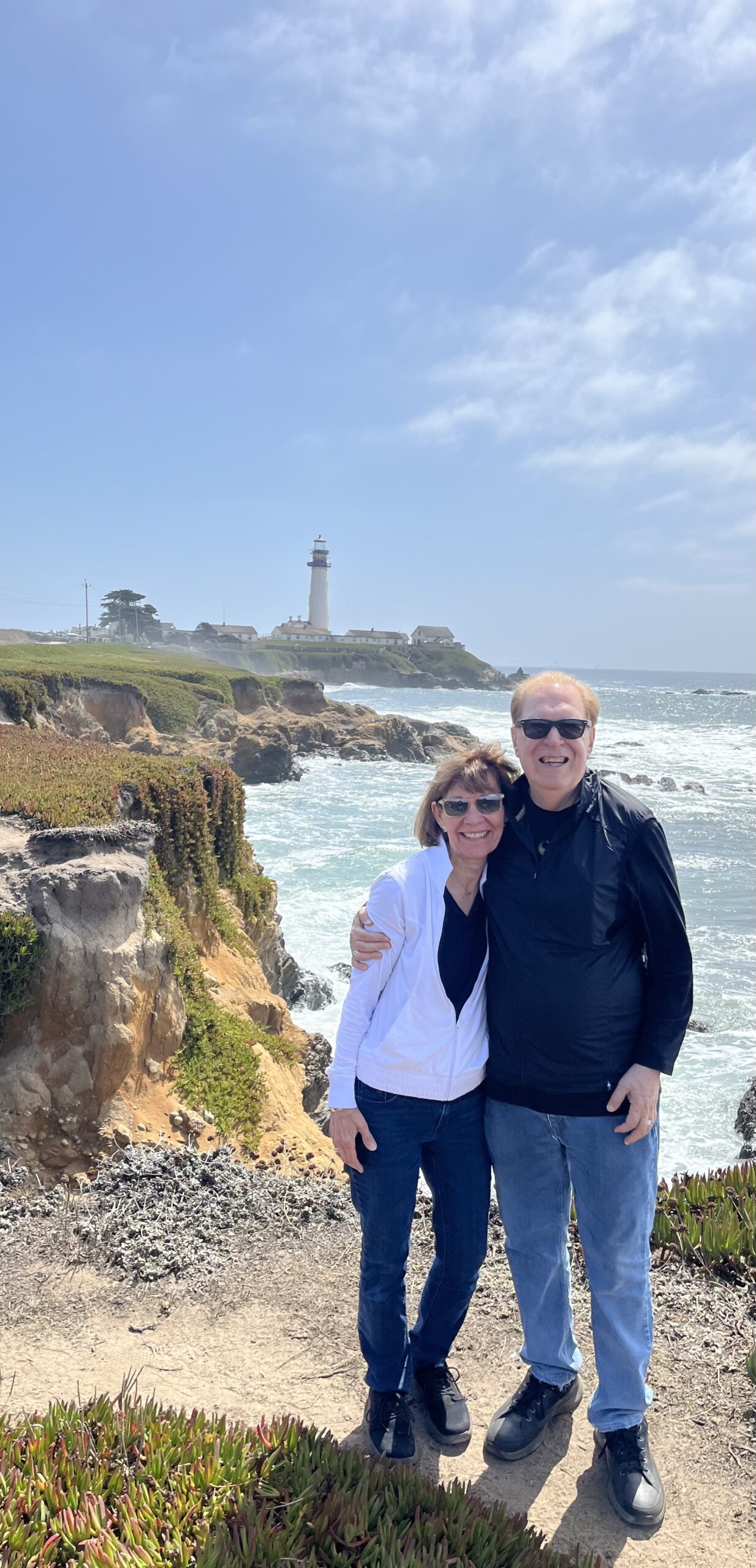
To fully experience the “Slow Coast Highway,” we turned around at Half Moon Bay and headed south back to Santa Cruz, stopping along the way at Milepost 30 and the Año Nuevo State Reserve, home to a colony of northern elephant seals. Just as the name suggests, taking it slow along the “Slow Coast Highway” is good for the heart and soul.
BB Travel Tips
We flew American Airlines from Tucson to San Jose (via PHX) and rented a car at the easy-to-use Norman Mineta San Jose International Airport. The ride on Highway 17 over the Santa Cruz Mountains gets you to Santa Cruz and the ocean in less than an hour.
In Santa Cruz, we were based at the beachfront Dream Inn, which is right at the start of West Cliff Drive and within walking distance of the Santa Cruz Wharf. The food at the Dream Inn’s Jack O’Neill Restaurant is not only amazing, but so is the view, especially at sunset.